 Skip to content
The Best Low-Maintenance Paint Colors for Resale in 2026
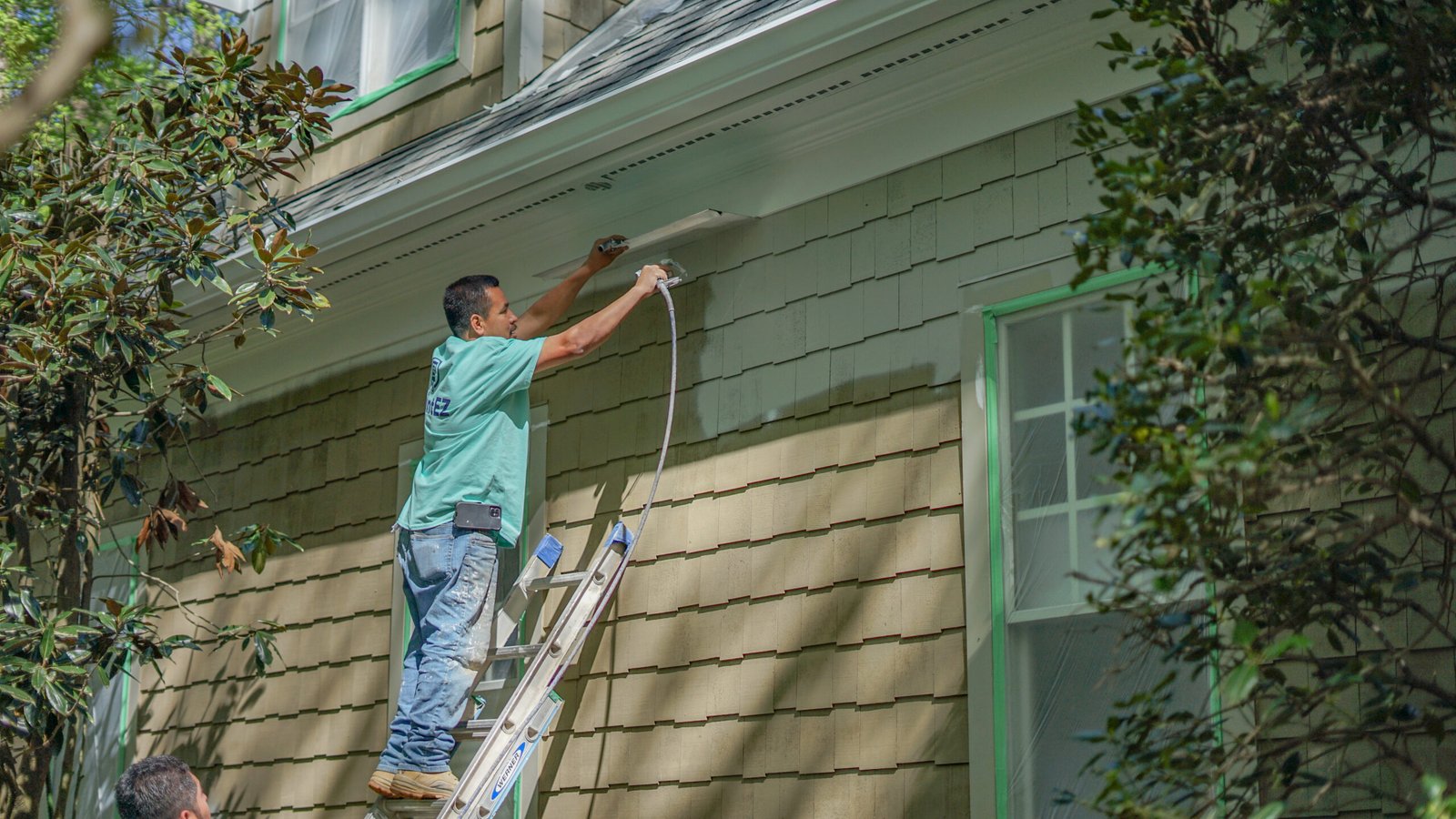
If you’re planning to paint your home this spring, the question isn’t just what color should I choose?—it’s what choice will actually pay off?
In 2026, painting has become less about personal taste and more about long-term value. Homeowners are thinking ahead to resale, while buyers are expecting homes to feel updated, clean, and move-in ready.
That shift is backed by real market trends. Homes with clean, modern color palettes tend to attract more buyer interest and can feel more move-in ready, while painting continues to be one of the most effective and affordable ways to improve a home’s overall appearance before listing.
But here’s where most homeowners get it wrong:
They focus only on color trends, without considering climate, durability, and how the finish will hold up over time.
The smartest approach combines both.
If you’re looking for guidance specific to your area, jump to your region below to see which paint colors perform best and why they help protect your home’s value over time.
Northeast, Midwest & Great Lakes
Safe, Timeless Always Wins
Across the Northeast, Mid-Atlantic, and Midwest regions, buyers consistently lean toward homes that feel established and well cared for rather than overly modern or experimental. This is especially true in areas with older housing stock and traditional architecture.
Warm whites, greige tones, and soft blue-grays continue to perform well because they strike that balance. They feel updated without clashing with brick exteriors, mature landscaping, or historic design elements. These colors also photograph well, which matters more than ever in online listings.
From a resale perspective, this is critical. Buyers scrolling through listings make decisions quickly, and homes that feel neutral but polished tend to generate more interest. A bold or highly personalized color might stand out—but not always in a way that helps.
There’s also a durability factor in these regions. With snow, moisture, and seasonal wear, slightly blended tones tend to hide imperfections better than stark whites or deep, flat colors. When the finish continues to look clean over time, it reinforces the perception that the home has been well maintained—something buyers are actively looking for.
Southeast (Coastal + Inland)
Light, Clean, and Climate-Conscious
In the Southeast, the conversation around paint color is shaped just as much by climate as it is by style. Whether you’re near the coast or further inland, heat, humidity, and sun exposure all influence how a home looks over time.
That’s why lighter, more reflective colors tend to dominate. Soft blues, pale greens, warm neutrals, and off-whites not only align with regional aesthetics but also perform better under intense sunlight. They fade more gracefully and help maintain a brighter, cleaner appearance longer than darker tones.
For resale, this matters in two ways. First, these colors match buyer expectations. A coastal home that doesn’t feel light and airy can feel out of place, just as a suburban Southern home that’s too stark or modern may struggle to connect with buyers.
Second, they signal lower maintenance. When a home’s exterior still looks fresh despite constant exposure to sun and humidity, it tells buyers that the property has been properly cared for. That perception alone can influence how a home is valued.
Southwest, South Central & Desert Regions
Earth Tones That Age Well
In the Southwest and South Central regions, including desert climates, color choices tend to pull directly from the surrounding landscape. Homes here often feature stucco exteriors and benefit from tones that feel natural rather than high contrast.
Warm beiges, clay tones, muted terracottas, and soft browns are all strong performers—not just because they look appropriate, but because they handle the environment well. Intense sun exposure can quickly fade darker or more saturated colors, while dust and sand can make very light colors look worn faster.
From a resale standpoint, these earth tones create consistency. Buyers expect homes in these regions to feel connected to the environment. When a property aligns with that expectation, it feels more cohesive and desirable.
Just as importantly, these colors tend to age more evenly. Instead of showing dramatic fading or discoloration, they maintain a more uniform appearance over time, which helps preserve curb appeal between paint cycles.
Mountain West, Rockies & Pacific Northwest
Nature-Driven, Balanced Palettes
In the Mountain West and Pacific Northwest, homes are often surrounded by strong natural elements—forests, mountains, and varied terrain. As a result, color palettes tend to reflect those surroundings.
Soft greens, weathered grays, and neutral tones with subtle depth are especially effective. They allow the home to feel integrated into the landscape rather than standing apart from it. Darker accents, like charcoal trim or black window frames, are often used to add contrast without overwhelming the overall look.
For resale, these choices help create emotional appeal. Buyers in these regions are often drawn to the lifestyle as much as the home itself. A color palette that complements the environment reinforces that connection and makes the property more memorable.
There’s also a practical benefit. These tones are forgiving. They tend to mask dirt, moisture patterns, and natural wear better than brighter or flatter colors, which helps the home maintain a well-kept appearance even in changing weather conditions.
West Coast (California & Coastal Urban Markets)
Clean, Modern, and Minimal
On the West Coast, particularly in California markets, the trend leans more modern. Buyers are drawn to clean lines, minimal palettes, and a polished, contemporary look.
Warm whites, soft grays, and subtle neutrals dominate because they create a blank canvas that feels upscale without being overly customized. These colors also pair well with popular design elements like natural wood accents, black trim, and large windows.
From a resale perspective, this simplicity is powerful. Homes that feel current but not overly stylized tend to appeal to a broader audience. They also photograph exceptionally well, which increases engagement in online listings.
And just like in other regions, maintenance plays a role. Smooth, neutral palettes tend to show wear less dramatically and are easier to refresh over time, helping preserve that “like-new” appearance buyers are willing to pay for.
Why Color Alone Doesn’t Deliver Resale Value
On the West Coast, particularly in California markets, the trend leans more modern. Buyers are drawn to clean lines, minimal palettes, and a polished, contemporary look.
Warm whites, soft grays, and subtle neutrals dominate because they create a blank canvas that feels upscale without being overly customized. These colors also pair well with popular design elements like natural wood accents, black trim, and large windows.
From a resale perspective, this simplicity is powerful. Homes that feel current but not overly stylized tend to appeal to a broader audience. They also photograph exceptionally well, which increases engagement in online listings.
And just like in other regions, maintenance plays a role. Smooth, neutral palettes tend to show wear less dramatically and are easier to refresh over time, helping preserve that “like-new” appearance buyers are willing to pay for.
The Bottom Line
In 2026, the best painting decisions aren’t driven by trends alone. They’re driven by strategy.
The homes that stand out—and sell—are the ones that combine:
- Colors that align with regional expectations
- Finishes that hold up in the local climate
- A professional process that ensures long-term results
When those elements come together, painting becomes more than a cosmetic update. It becomes one of the most effective ways to improve both how a home looks today and how it performs in the market tomorrow.
