 Skip to content
Paint EZ installs garage floor coatings that improve the floor’s appearance, make routine cleaning easier, and add a protective wearing surface to eligible concrete. Available options may include epoxy flooring, polyaspartic coatings, solid colors, decorative flakes, quartz, and other approved finishes.
During your estimate, we evaluate the visible concrete condition, existing coatings, cracks, joints, moisture concerns, and intended use. This helps us recommend the appropriate surface preparation and epoxy coating or polyaspartic system for your garage.
Garage floor coatings are surface treatments and do not correct structural slab movement, active water intrusion, or major settlement.
Why Upgrade to a Professional Garage Floor Coating?
Bare concrete can absorb stains and show wear from vehicles, moisture, dirt, and everyday garage use. A professional epoxy or polyaspartic garage floor coating creates a more finished appearance, makes routine cleaning easier, and adds a protective wearing surface.
Depending on the selected system, garage floor coatings may provide improved resistance to abrasion, oil staining, tire traffic, and common household spills. Decorative flakes, quartz, and optional traction additives can also be used to customize the floor’s appearance and texture.
Garage floor coatings may be available for eligible concrete surfaces in garages, workshops, utility spaces, and other approved areas.
What’s Included in Our Garage Floor Coating Service
-
An evaluation of the concrete and a written proposal identifying the approved area, preparation, repairs, finish, exclusions, and selected epoxy or polyaspartic coating system
- Protection of adjacent surfaces, followed by appropriate cleaning and degreasing
- Mechanical surface preparation and approved removal of loose or incompatible coatings when included
- Approved non-structural repairs to minor cracks, pits, or spalling and treatment of specified concrete joints
- Application of the specified primer, base coat, decorative media, topcoat, and optional traction additive
- Cleanup, final review, and guidance for foot traffic, vehicle traffic, cleaning, and maintenance
Your proposal will also identify item-removal responsibilities, whether existing-coating removal or moisture testing is included, which cracks or joints may remain visible, and when the garage floor can return to service.
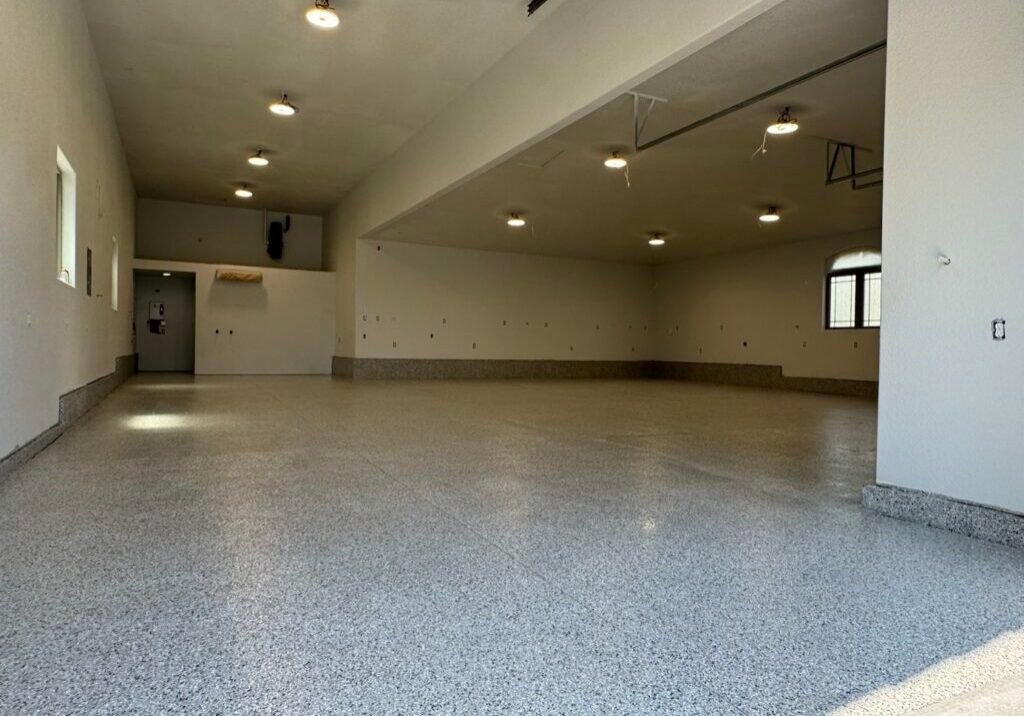
Is Your Concrete Ready for a Floor Coating?
The condition of the concrete affects coating adhesion and performance. During your estimate, Paint EZ evaluates the visible slab condition and identifies concerns that may require additional preparation or correction.
Moisture and Water Intrusion
Visible dampness, mineral deposits, recurring water, active leaks, or drainage problems can interfere with adhesion. The moisture source may need to be corrected before coating because a garage floor coating is not a substitute for waterproofing.
Oil, Grease, and Other Contaminants
Oil, grease, silicone products, sealers, adhesives, and previous coatings can affect bonding. Paint EZ will determine whether the surface can be adequately prepared or whether additional work is required.
Concrete Strength and Condition
Weak, dusty, heavily pitted, or deteriorated concrete may not provide a sound surface for an epoxy or polyaspartic coating. Major spalling, settlement, heaving, or structural cracks may require evaluation by a concrete specialist.
New Concrete
New concrete must meet the selected coating manufacturer’s curing, moisture, and surface-preparation requirements. Your Paint EZ representative will explain whether the slab is ready and when coating installation can begin.
Existing Paint or Coatings
Previous coatings must be evaluated for adhesion and compatibility. Loose or incompatible material may require removal before the new garage floor coating is applied.
Epoxy and Polyaspartic Coatings
Paint EZ installs either an epoxy coating system or a polyaspartic coating system based on the concrete condition, desired appearance, exposure, intended use, and project schedule.
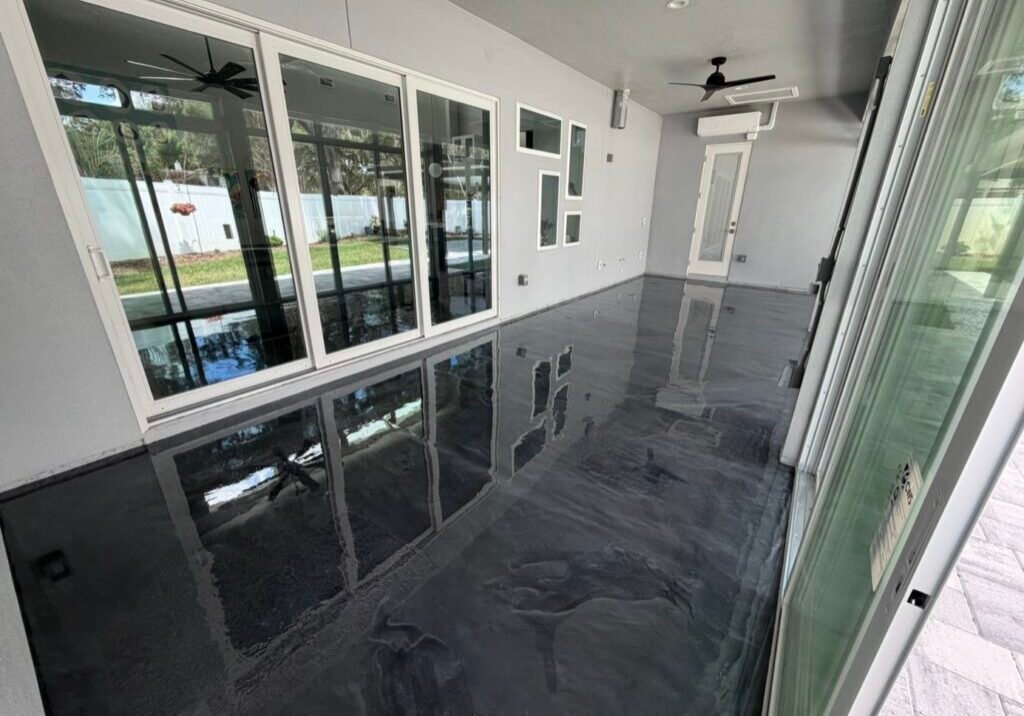
What Is an Epoxy Coating?
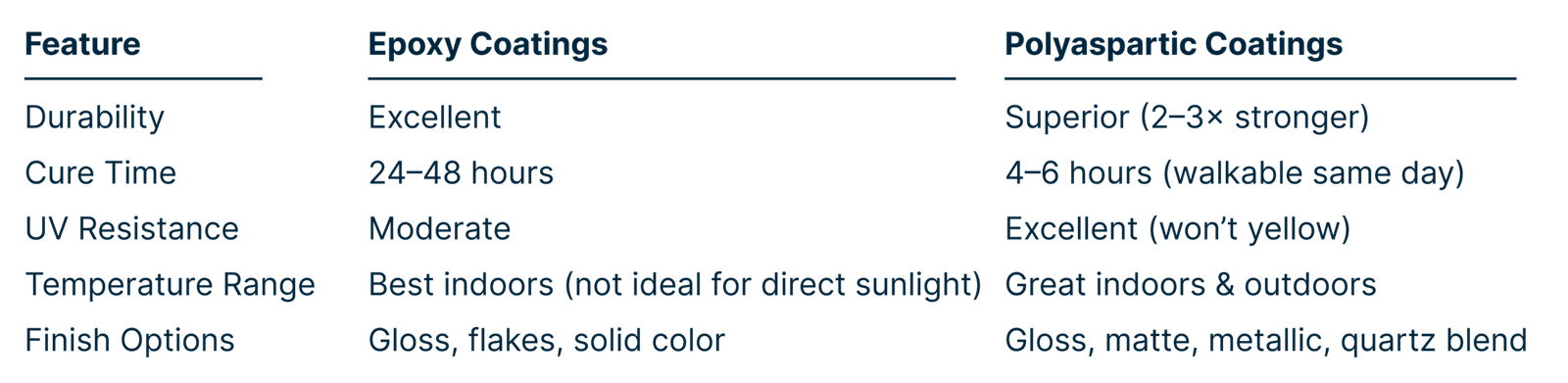
An epoxy coating combines epoxy resin with a compatible hardener to create a bonded surface over properly prepared concrete. Epoxy flooring may be used as a primer, base coat, build coat, or finish within a multi-layer garage floor coating system. Product characteristics and resistance to sunlight, wear, and chemicals vary by formulation.
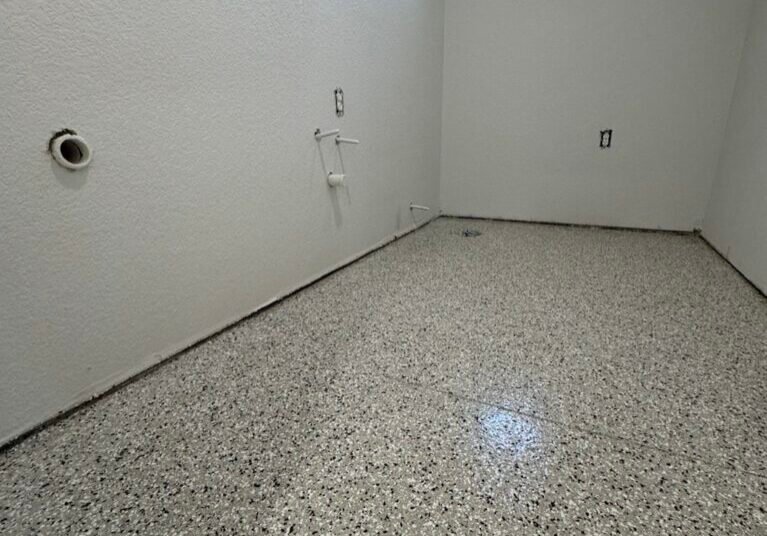
What Is a Polyaspartic Coating?
Polyaspartic coatings are fast-curing materials that may be used as a base coat, top coat, or part of a multi-layer system. Many formulations provide good color and UV stability and may allow a shorter return-to-service time, although actual timing depends on the product and project conditions
Is Epoxy or Polyaspartic Better?
Neither coating is automatically better for every concrete floor. The appropriate system depends on the concrete condition, moisture, sunlight, traffic, desired finish, budget, and installation schedule.
Your written proposal will identify whether an epoxy or polyaspartic system is recommended and specify the primer, base coat, decorative layer, and topcoat included.
Our Garage Floor Coating Installation Process
Step 1: Inspect Concrete and Recommend System
A Paint EZ representative evaluates the visible concrete, existing coatings, cracks, joints, moisture concerns, traffic, sunlight, access, and finish preferences. Your written proposal identifies the recommended garage floor coating system, preparation, repairs, finish, and project limitations.
Step 2: Clear, Protect, and Prepare the Floor
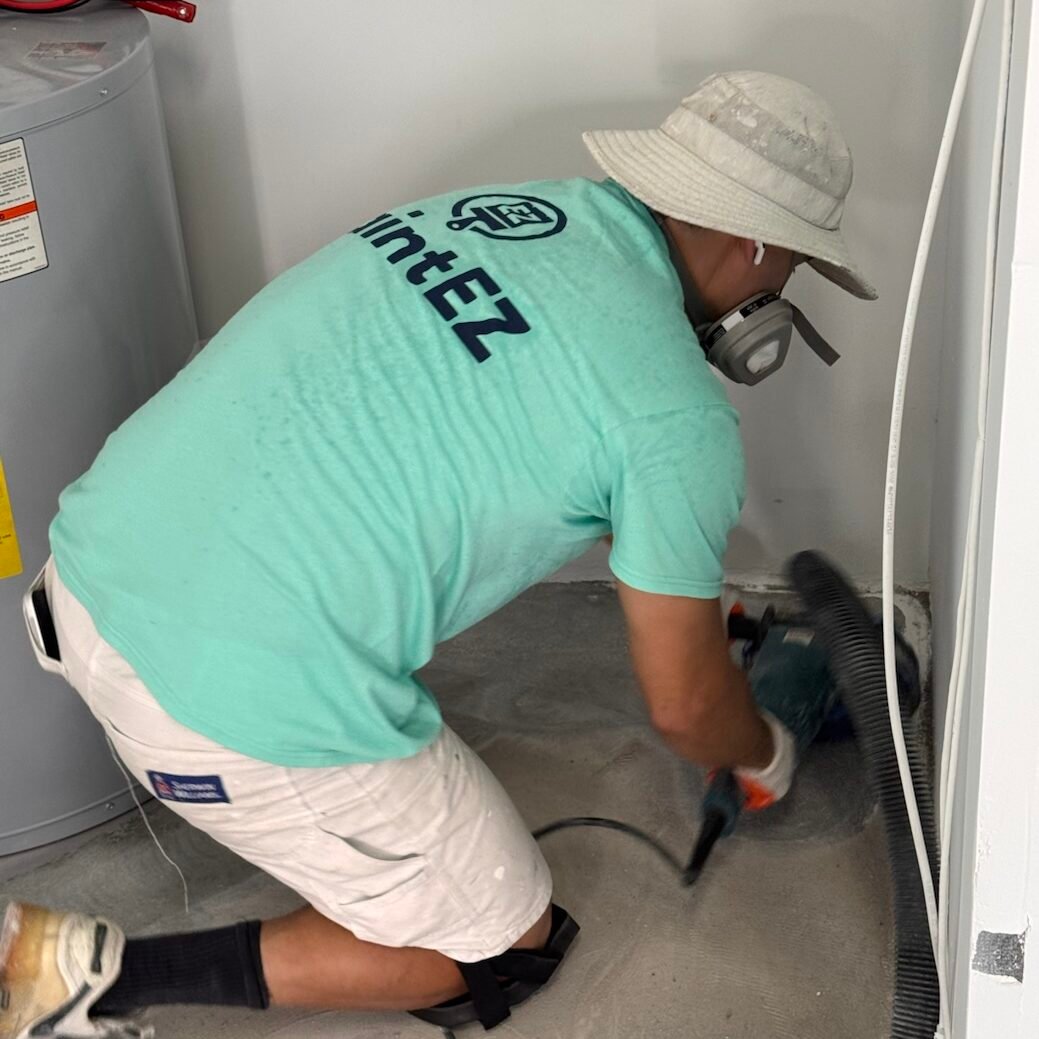
The garage is cleared according to the agreed responsibilities, and adjacent surfaces are protected. The crew cleans the concrete and creates the surface profile required for the selected system using mechanical grinding or another approved preparation method.
Step 3: Complete Approved Repairs
Approved non-structural cracks, pits, minor spalling, and specified joints are prepared with materials compatible with the coating system. Cracks or joints affected by continued slab movement may remain visible or reappear over time.
Step 4: Apply the Coating System
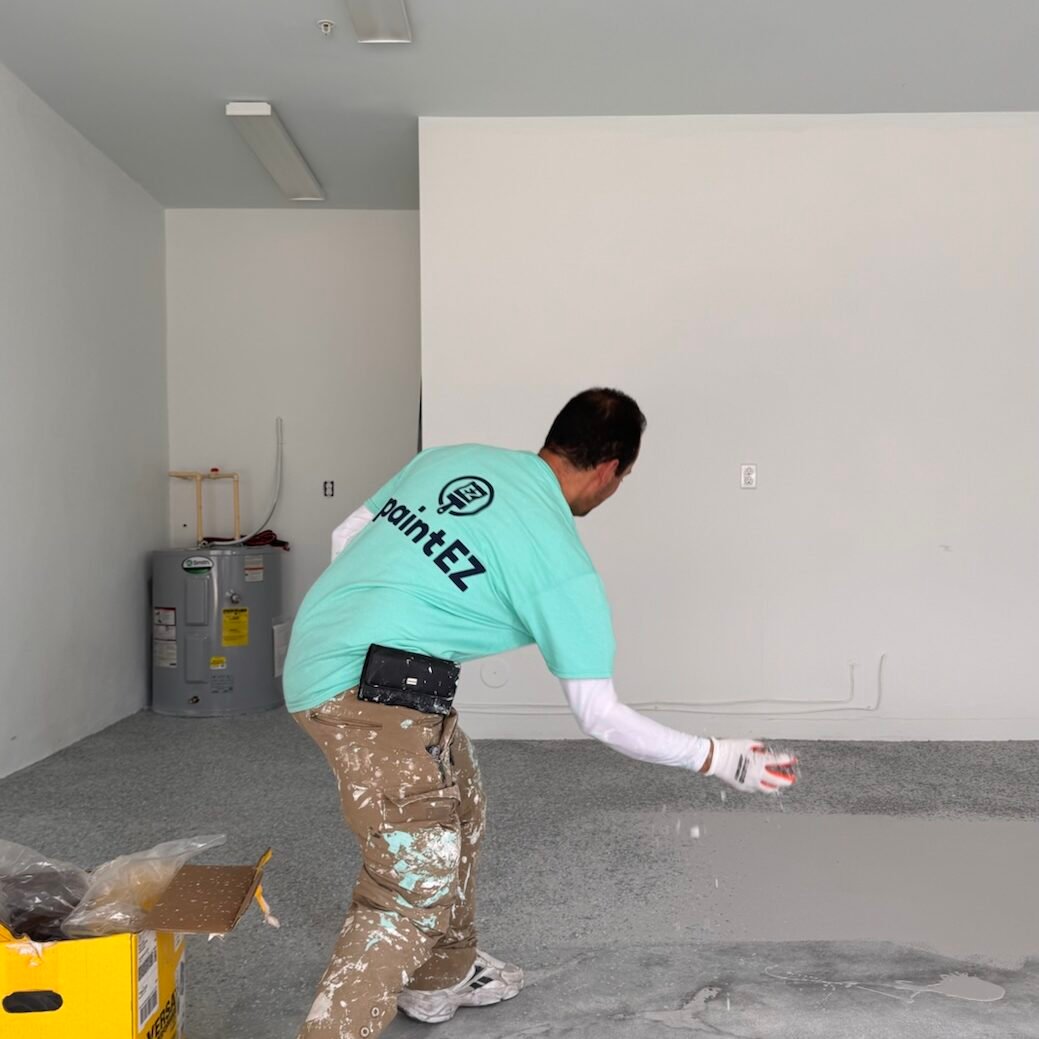
The crew applies the specified primer, epoxy coating or polyaspartic coating, decorative flakes or quartz, topcoat, and optional traction additive in the appropriate sequence.
Step 5: Cure and Final Review
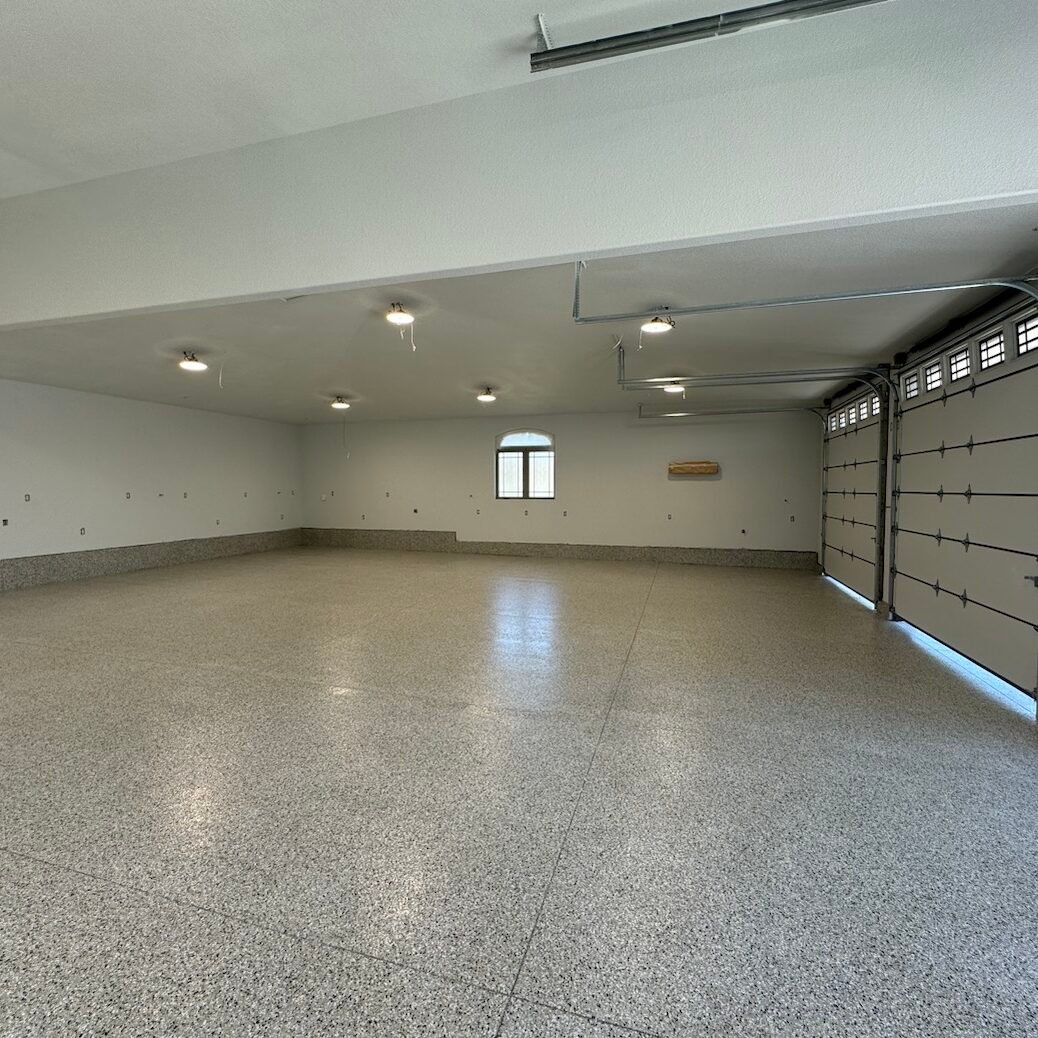
The completed garage floor coating is allowed to cure and is reviewed against the approved scope. Paint EZ provides project-specific guidance for foot traffic, replacing stored items, parking vehicles, cleaning, and early maintenance.
Customize Your Garage Floor Finish
Choose from solid colors, decorative flakes, quartz blends, and metallic epoxy applications. Your Paint EZ representative can help you compare colors, textures, sheen levels, and finish options based on your garage and intended use.

Solid Color Finish
Create a clean, consistent garage floor finish in a selected color and sheen.
Decorative-Flake Systems
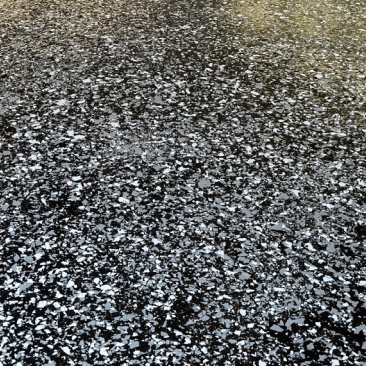
Add color variation and visual texture while helping disguise minor differences across the concrete surface.
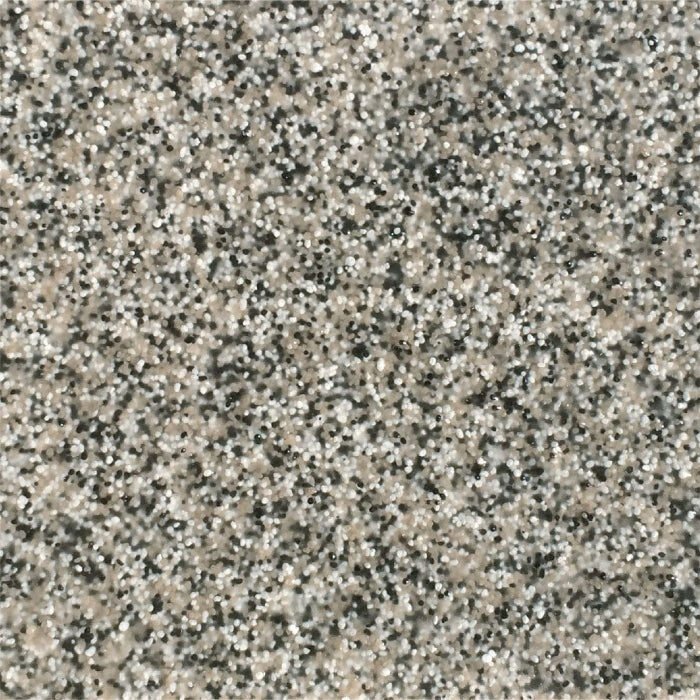
Quartz Blends
Colored quartz aggregate creates a distinctive, textured appearance within an approved multi-layer coating system.
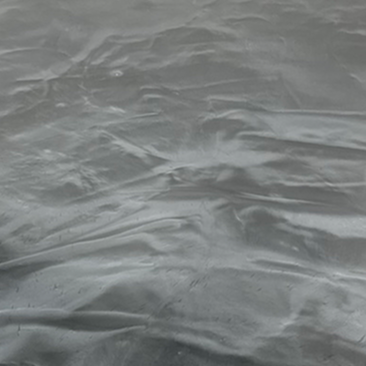
Metallic Finishes
Decorative epoxy applications create flowing patterns and visual movement for a distinctive, showroom-inspired appearance.
Surface Texture and Traction
Decorative flakes, quartz, and optional traction additives can increase surface texture, but no garage floor coating is slip-proof. Paint EZ can help you balance the desired texture with your cleaning and maintenance preferences.
Finish availability may vary by service area, concrete condition, and selected coating system.
Where Garage Floor Coatings May Be Installed
Paint EZ garage floor coatings may be available for eligible concrete surfaces in:
- Residential garages
- Workshops and hobby spaces
- Basements and utility rooms
- Storage areas
- Approved commercial or light-industrial spaces
Service availability and coating recommendations depend on the concrete condition, moisture, ventilation, drainage, traffic, and intended use of the space.
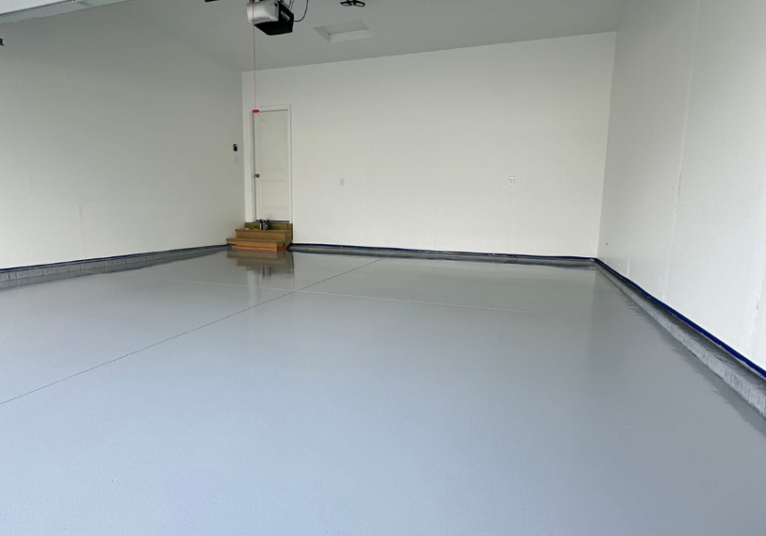
Garage Floor Coating Care and Maintenance
Garage floor coatings provide a more cleanable wearing surface than bare concrete, but they are not maintenance-free or damage-proof. Sweep away abrasive debris, clean spills promptly with products approved for the coating, and avoid dragging sharp or heavy objects across the floor.
Resistance to chemicals, road salts, vehicle fluids, heat, impacts, and other exposures varies by coating system. Paint EZ will provide care instructions for your installed floor and explain any precautions associated with its intended use.
The floor’s long-term performance depends on the concrete condition, surface preparation, moisture, coating system, traffic, exposure, and ongoing maintenance.
Why Homeowners Choose Paint EZ
Garage floor coating performance depends on the condition of the concrete, surface preparation, and the selected system. Here’s why homeowners choose Paint EZ for epoxy flooring and polyaspartic coatings:
Garage Floor Coating FAQs
What is the best coating for garage floors?
There is no single best coating for every concrete floor. Paint EZ recommends either an epoxy coating system or a polyaspartic coating system based on the concrete condition, moisture, sunlight, traffic, desired finish, schedule, and intended use.
What is the difference between epoxy and polyaspartic coatings?
Epoxy and polyaspartic coatings have different application, curing, and performance characteristics. Either material may be used as a primer, base coat, topcoat, or part of a multi-layer garage floor coating system.
Do garage floor coatings prevent cracks?
No. Approved cracks may be repaired before coating, but a coating cannot prevent structural movement, settlement, heaving, or future cracking. Your proposal will identify which cracks and joints are included and how they will be treated.
Can you coat a damp garage or basement floor?
The moisture source and concrete condition must be evaluated first. Active leaks, recurring water, drainage problems, or excessive slab moisture may need to be corrected before a floor coating can be installed.
Can you coat over existing floor paint or epoxy?
Sometimes. The existing coating must be clean, sound, compatible, and well bonded. Loose or incompatible material may need to be removed before the new epoxy or polyaspartic coating is applied.
How soon can I use my garage after installation?
Epoxy floors are typically ready for use within 48 hours. Polyaspartic floors can typically be walked on the same day and driven on within 24 hours. Actual timing may vary with the product and curing conditions, so follow the project-specific guidance provided by Paint EZ.
Are garage floor coatings slip-resistant?
Decorative flakes, quartz, or traction additives can increase surface texture, but no floor is slip-proof. Paint EZ can help you choose a texture that balances traction with cleaning and maintenance needs.
Can I coat my garage floor myself?
DIY kits often fail due to improper prep or mixing. Professional installers use industrial-grade grinders, moisture barriers, and precise resin ratios — guaranteeing performance and longevity.
Other Services We Offer

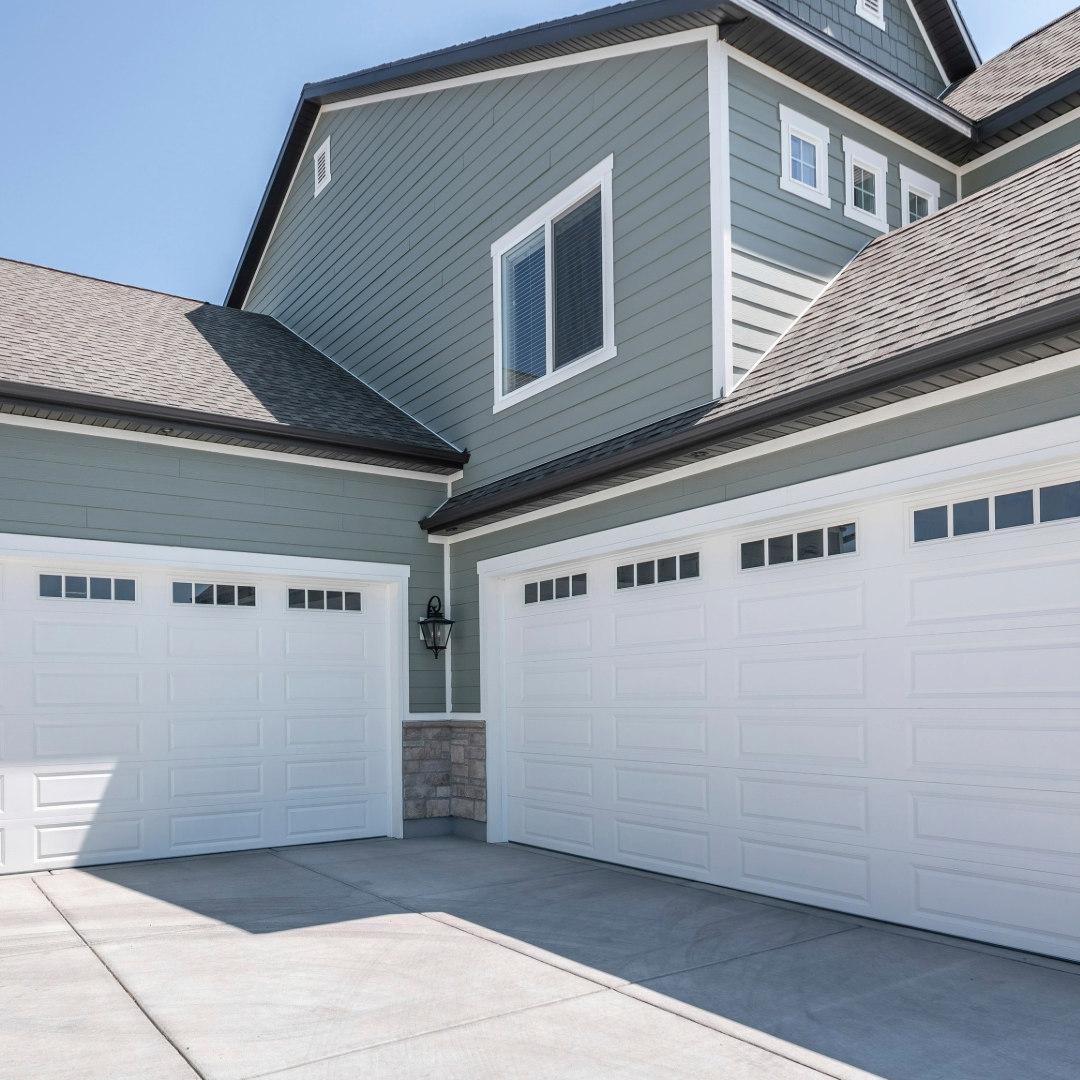
Specialty Painting & Coating
Enhance interior and exterior surfaces with decorative, high-performance finishes.
Find Floor Coating Services Near You
Paint EZ installs epoxy or polyaspartic coating systems for eligible concrete floors through locally operated service areas. Visit our locations page to find the Paint EZ team serving your area, confirm coating availability, and request a project-specific estimate.
