 Skip to content
Best Practices for Painting Barns
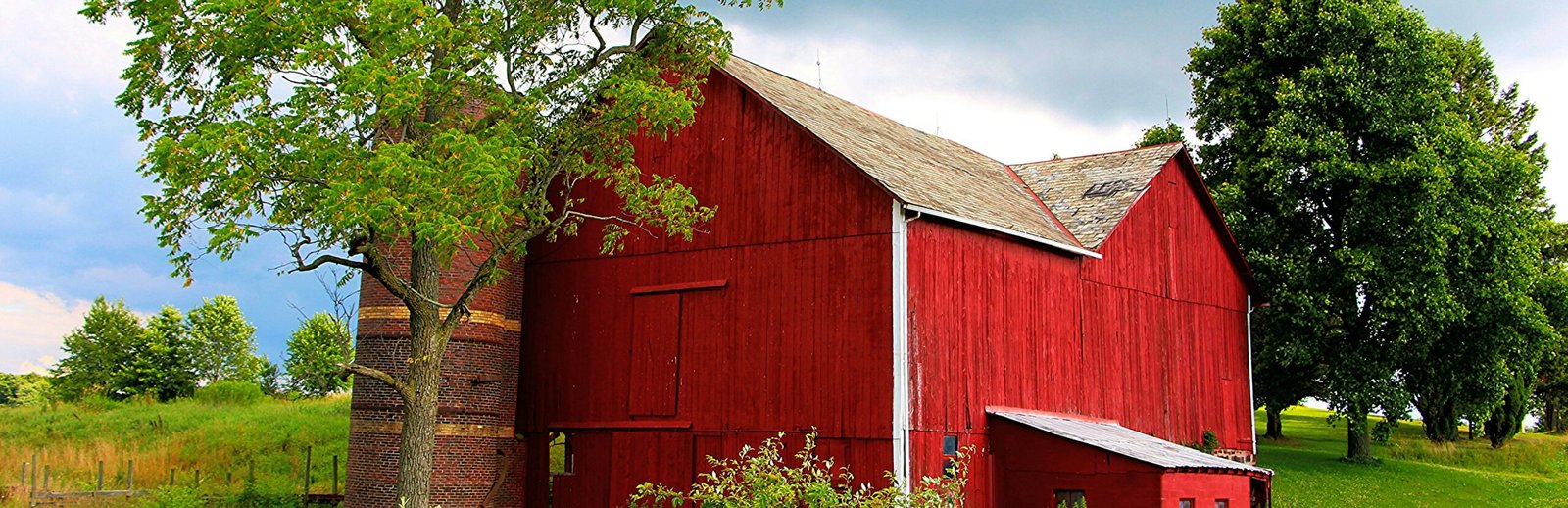
Barns are more than just agricultural structures; they’re part of American history and, today, a key feature of rural properties, hobby farms, and even modern living spaces. Whether your barn is used for livestock, storage, events, or as a workshop, protecting it with the right paint system is critical for durability, appearance, and long-term value.
In this guide, we’ll walk through how to properly paint a barn, including surface preparation, paint selection for wood and metal siding, and why so many barns across the country are still painted red.
The History of Barns (and Why They’re Red)
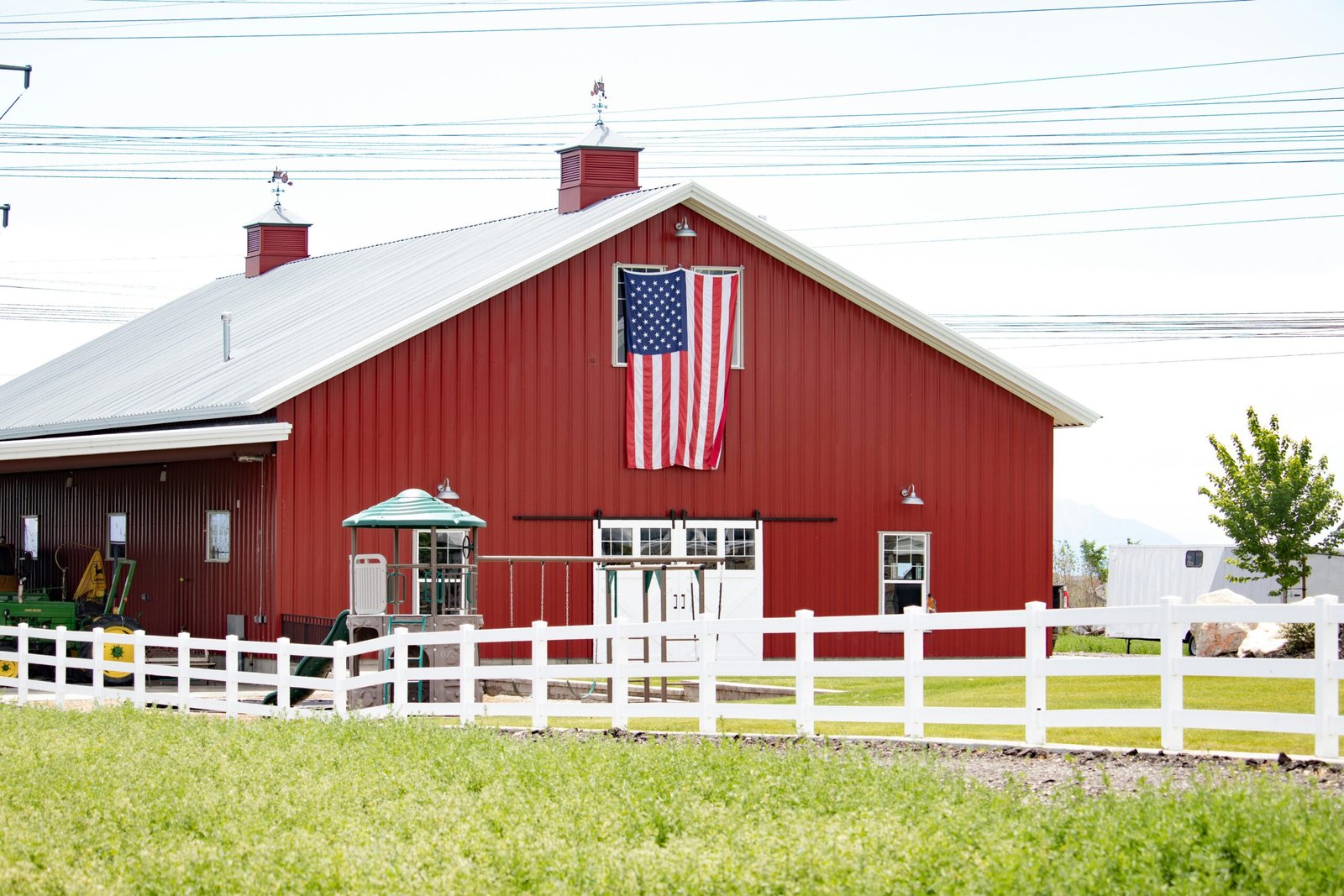
Barns have evolved alongside American agriculture. Early barns were built with whatever materials were available locally, wood being the most common, and were designed for functionality over appearance. Over time, barns became more standardized and recognizable, especially with the rise of large-scale farming in the 18th and 19th centuries.
The iconic red barn isn’t just a stylistic choice; it came from practicality. Farmers historically mixed linseed oil with rust (iron oxide) to create a low-cost, protective coating. This mixture helped prevent fungal growth and preserved the wood, making red the most durable and affordable option at the time. Even today, that tradition continues, although modern coatings offer far more advanced protection and color options.
How Barn Use Has Evolved Today
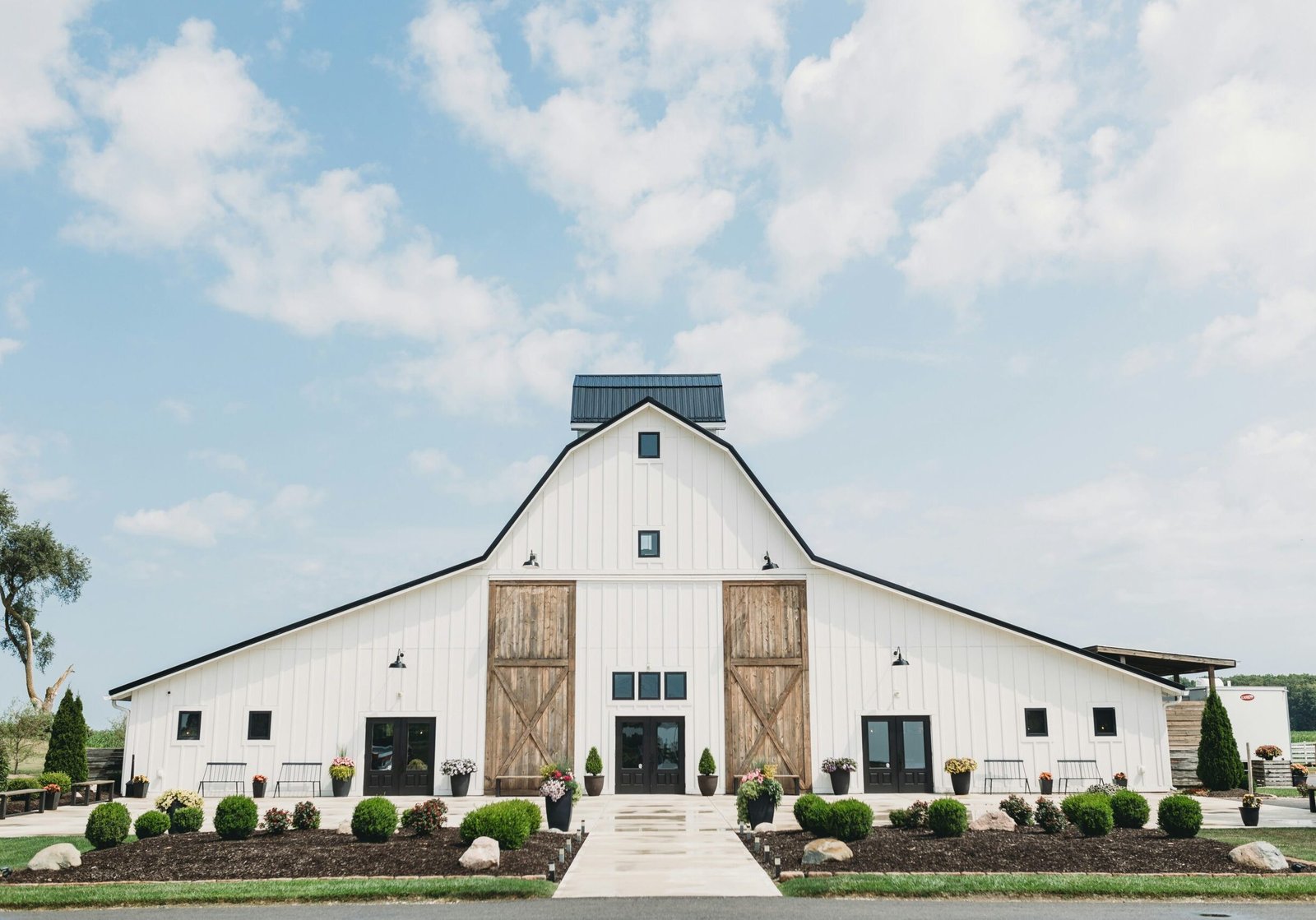
While barns were once strictly agricultural, their use has expanded significantly. Today, barns are used as event venues, garages, workshops, horse facilities, and even fully converted living spaces. This shift means homeowners and property owners are investing more into maintaining and upgrading barn exteriors, not just for protection, but also for aesthetics.
That’s where proper painting becomes essential. A well-painted barn doesn’t just look better—it lasts longer and resists weather, moisture, and UV damage.
The Foundation of Any Great Barn Paint Job: Surface Preparation
Before any paint goes on, preparation determines how long your coating will last. This is where many projects fail.
At Paint EZ, every exterior project includes pressure washing to remove dirt, mildew, and contaminants, along with scraping, sanding, and sealing surfaces where needed. These steps aren’t optional—they’re the baseline for a coating system that actually holds up over time.
For barns, preparation varies depending on whether you’re dealing with wood or metal surfaces.
Painting Metal Barn Siding: Preventing Rust and Corrosion
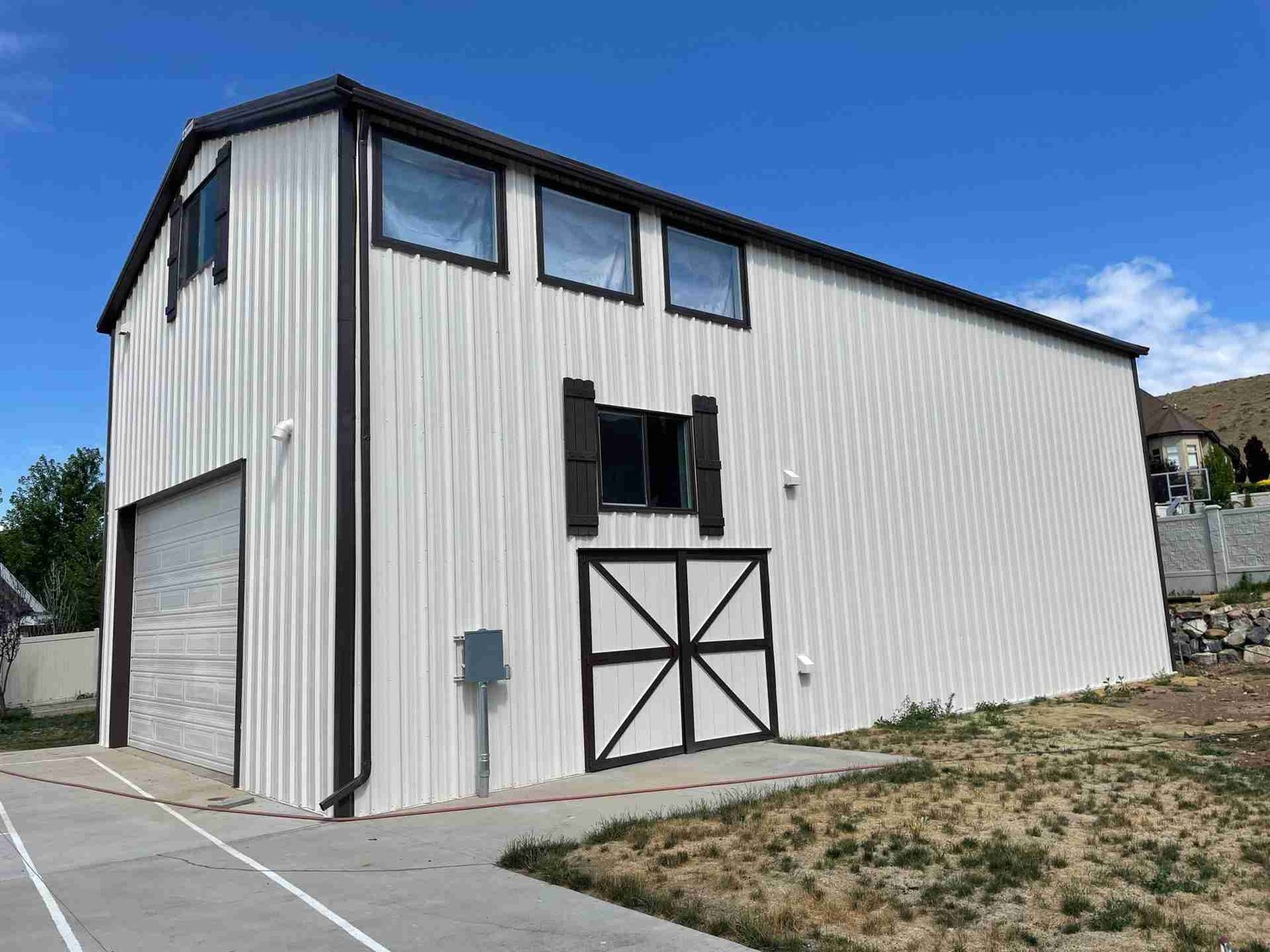
Metal barns are extremely durable, but they’re also vulnerable to corrosion if not properly maintained. Rust forms when metal is exposed to moisture and oxygen, and once it starts, it spreads quickly if not addressed.
The most important step when painting metal is getting back to a solid, sound surface. Rust and corrosion should be removed using abrasives or wire brushing. Skipping this step leads to premature coating failure, no matter how good the paint is.
Once the surface is properly prepped, a rust-inhibitive primer should be applied immediately to prevent further oxidation. For clean, sound metal, direct-to-metal (DTM) coatings are an excellent option because they combine primer and topcoat into a single system, improving efficiency while maintaining strong adhesion and corrosion resistance.
It’s also important to note that while multi-surface acrylic products can sometimes be used, they don’t offer the same level of rust protection as true DTM coatings.
For topcoats, urethane-based paints are typically the best choice for barns. They provide excellent UV protection, flexibility, and long-term durability—critical for structures constantly exposed to the elements.
Painting Wood Barn Siding: What Most People Get Wrong
Pressure-treated wood, for example, must be fully dry before painting. A simple water test can determine readiness—if water soaks into the surface, it’s ready. If it beads up, the wood still contains too much moisture and should not be coated yet. Painting too early traps moisture, leading to peeling.
Another common issue is sun-damaged, grey wood. This weathered layer must be removed before painting, either through sanding or pressure washing. If it’s left in place, paint won’t properly adhere and will fail prematurely.
For engineered wood like plywood, sealing is critical. Because moisture can move through the layers, applying a strong primer—often even multiple coats—is necessary before applying the finish coat.
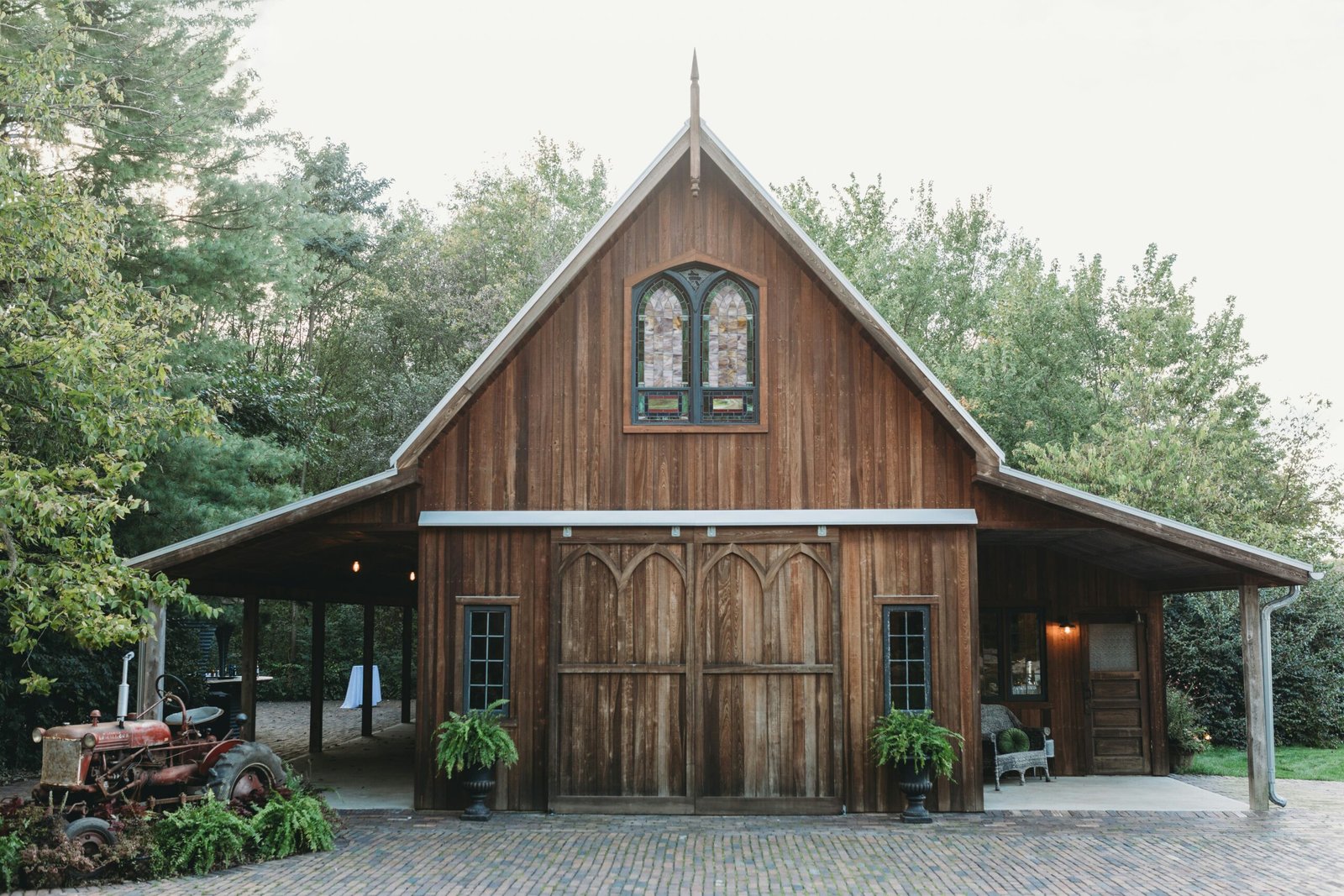
In many cases, especially for rough-cut lumber commonly used on barns, stain systems can be a better option than traditional paint. Solid stains, in particular, provide the highest level of UV protection and can last significantly longer than lighter stain options. Solid stains can last anywhere from 4–10 years, depending on exposure and maintenance.
Choosing the Right Paint for Barns
Not all paints are created equal, especially when it comes to large exterior structures like barns.
For wood siding, high-quality exterior paints that resist mildew, cracking, and fading are essential. These coatings are designed to expand and contract with temperature changes while maintaining adhesion over time.
For metal siding, coatings need to prioritize adhesion, corrosion resistance, and flexibility. Products designed specifically for metal, whether primer-based systems or direct-to-metal coatings, will outperform general-purpose paints every time.
Barns are exposed to extreme conditions, so using the right system isn’t about preference—it’s about performance.
Why Professional Preparation and Application Matter
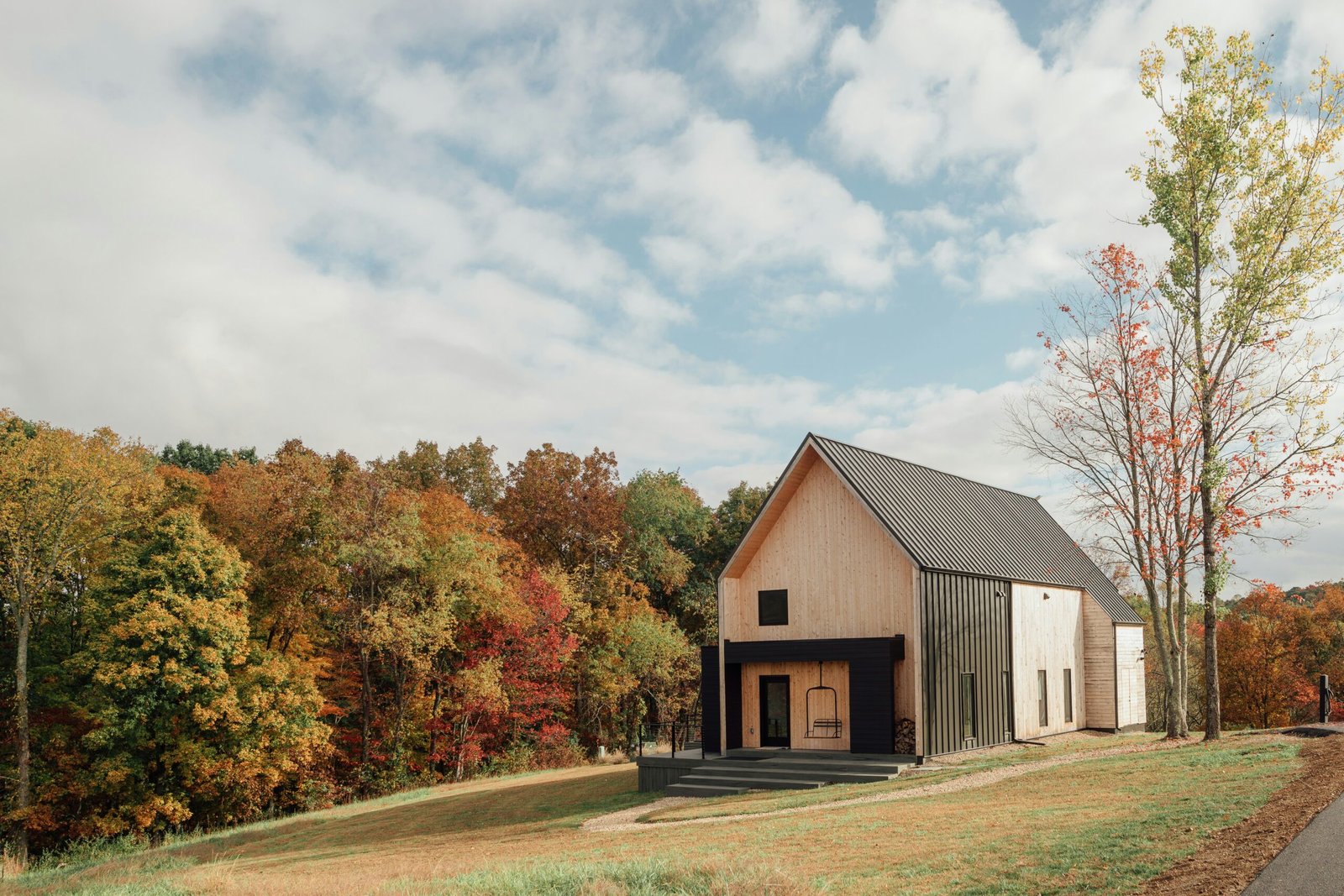
Painting a barn isn’t just about applying paint, it’s about building a complete system that protects the structure for years.
At Paint EZ, every exterior project includes:
- Pressure washing and surface cleaning
- Scraping and sanding for proper adhesion
- Priming where needed
- Professional-grade coatings
- Dedicated project management and communication throughout the job
This process ensures consistency, quality, and long-term durability, something that’s difficult to achieve with a DIY approach, especially on large structures like barns.
Protecting Your Barn for the Long Haul
Whether your barn is a working structure, a hobby space, or a centerpiece of your property, the right paint system makes all the difference.
Proper preparation, the right products for wood and metal, and a professional application process are what separate a paint job that lasts a few years from one that holds up for the long haul.
If you’re considering painting your barn, it’s worth doing it right the first time. The investment in preparation and quality materials will pay off in durability, appearance, and long-term protection.
