 Skip to content
Outside Spaces
How Cool Is Too Cool for Exterior Painting?
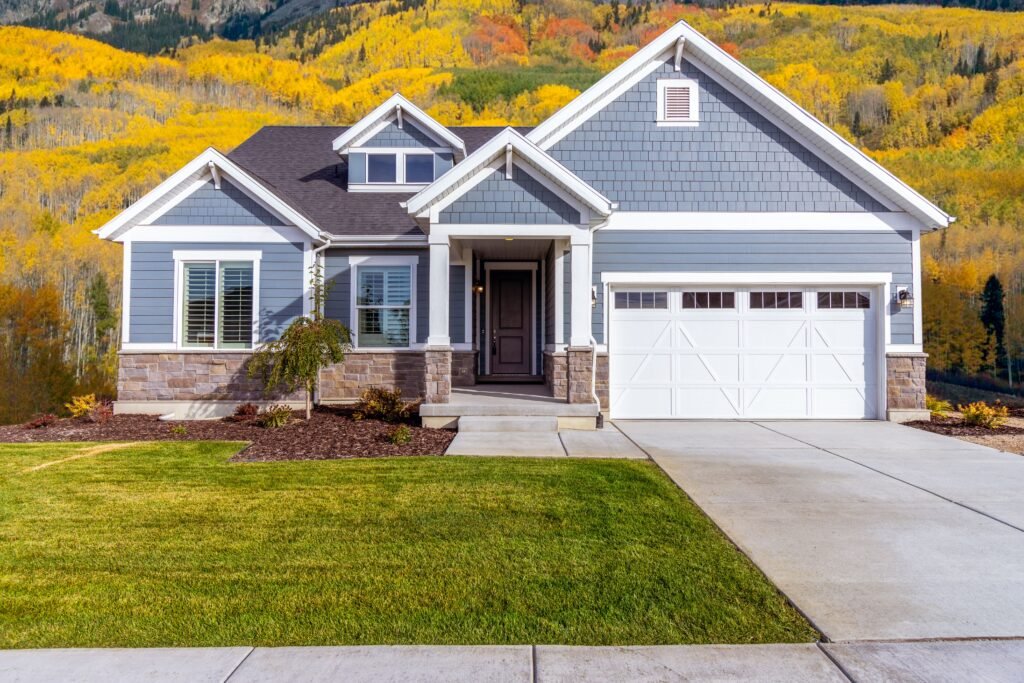
The first cool mornings of fall often bring the same question from homeowners: Is it too late in the season to paint the outside of the house? Not necessarily. Exterior painting can continue in cooler weather when the selected paint is formulated for those conditions, and the forecast allows enough time for it to dry…
Read MoreHow to Choose Exterior Paint Colors That Work With Brick, Stone, and Roofing
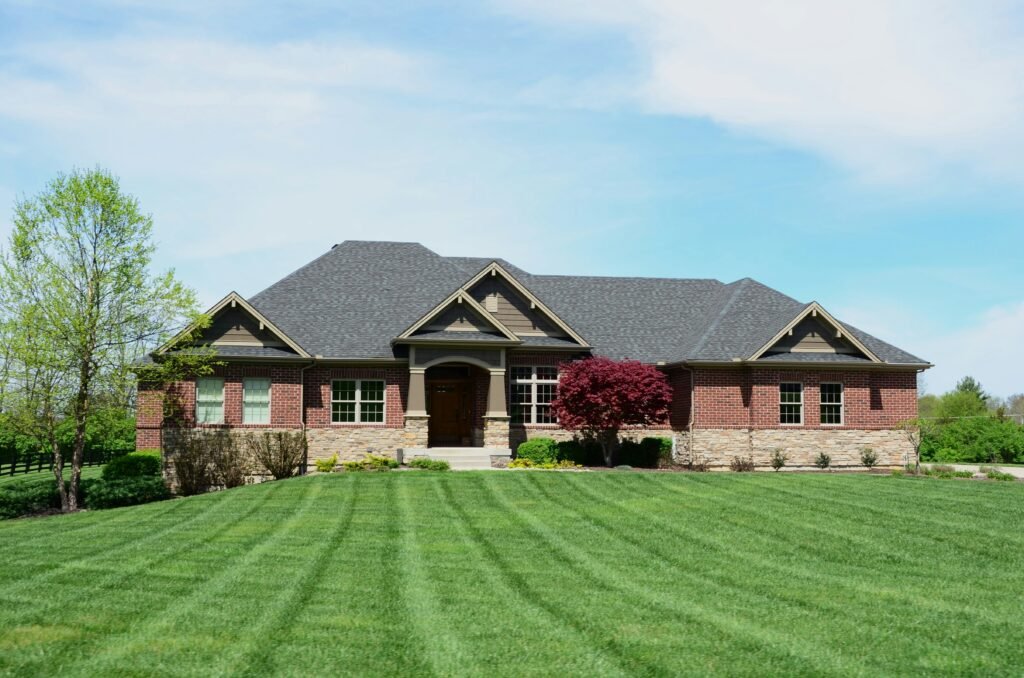
Choosing a new exterior paint color can feel surprisingly complicated. A color may look beautiful on a sample card or another home but appear completely different beside your brick, stone, roofing, or landscaping. That is because an exterior color does not stand alone. It becomes part of a larger palette that includes materials you may…
Read MoreLimewash vs. Whitewash: Which Finish Is Best for Brick, Fireplaces, and Interior Walls?

If you’ve spent any time browsing home design trends recently, you’ve probably seen limewashed brick fireplaces, softly textured walls, and beautifully aged exteriors that look as if they’ve stood for generations. At the same time, whitewashed brick and wood surfaces continue to appear in farmhouse, coastal, and cottage-inspired homes. While these finishes may look similar…
Read More7 Signs It’s Time to Refinish or Restain Your Deck
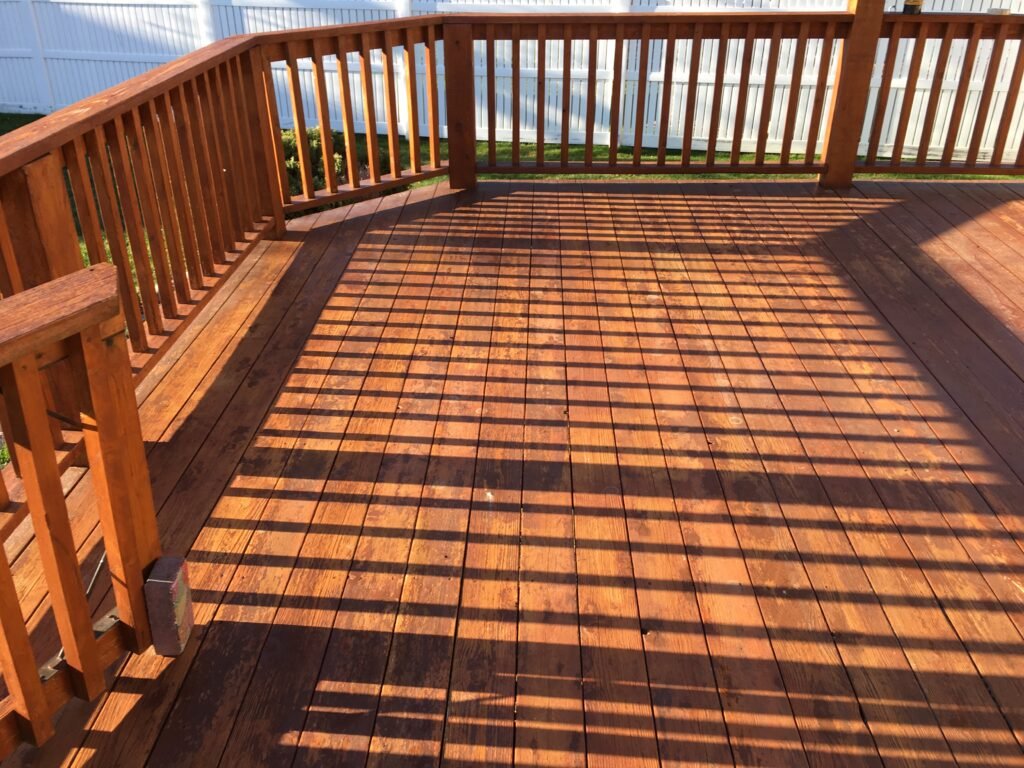
Your deck is one of the hardest-working features of your home. It handles constant foot traffic, harsh UV rays, rain, snow, humidity, and dramatic temperature swings year-round. Over time, even the best-built decks begin to show signs of wear. The good news? Catching those warning signs early can help you avoid expensive repairs and extend…
Read MoreBest Practices for Painting Barns
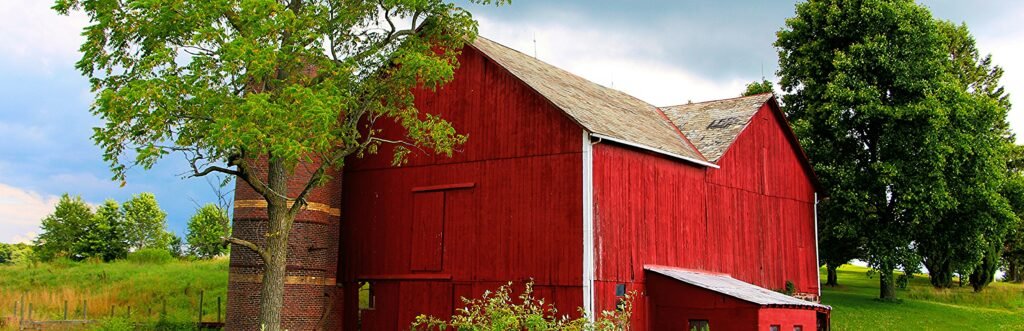
Barns are more than just agricultural structures; they’re part of American history and, today, a key feature of rural properties, hobby farms, and even modern living spaces. Whether your barn is used for livestock, storage, events, or as a workshop, protecting it with the right paint system is critical for durability, appearance, and long-term value.…
Read MoreMost Popular Exterior Paint Colors in Connecticut
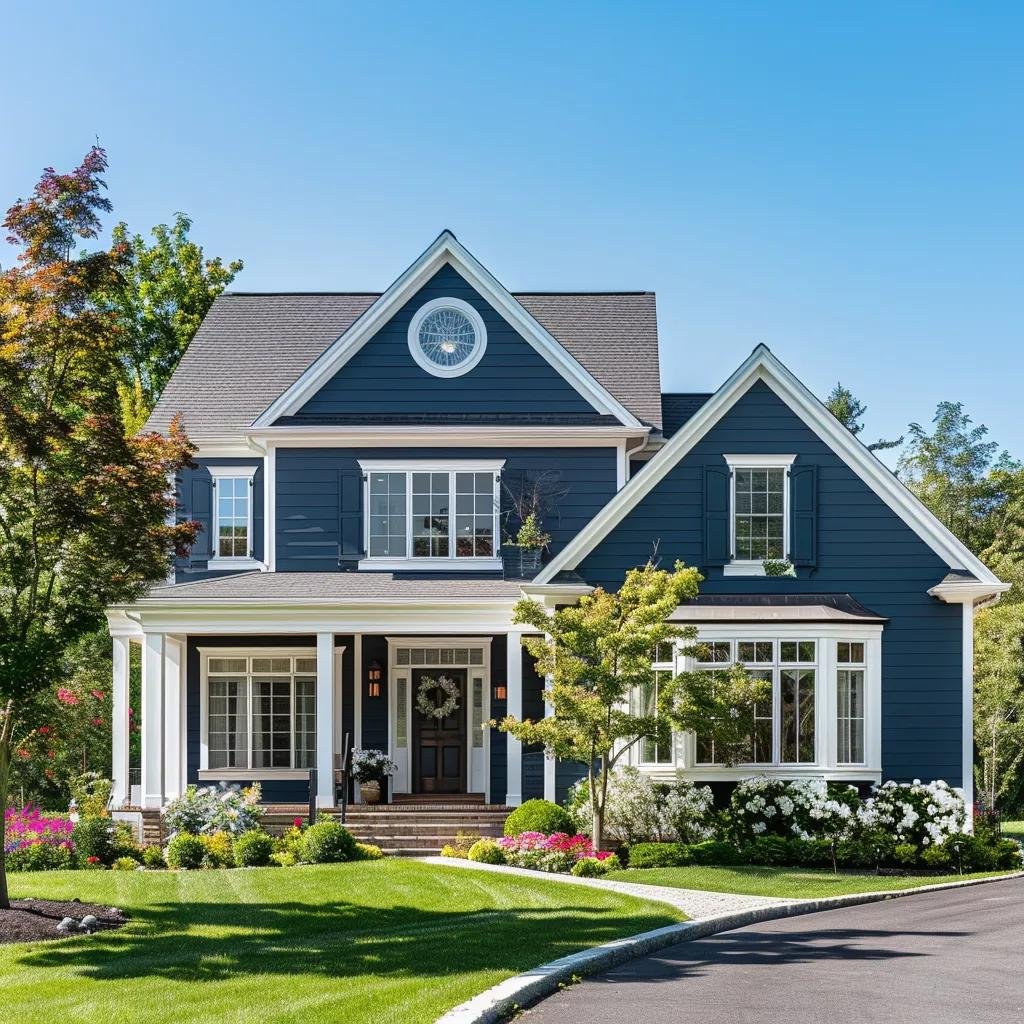
Transform your Connecticut home’s curb appeal with stunning exterior colors. Find top-rated painters near you to create the perfect look and value today!
Read MoreThe Mystical Charm of Haint Blue: More Than Just a Paint Color
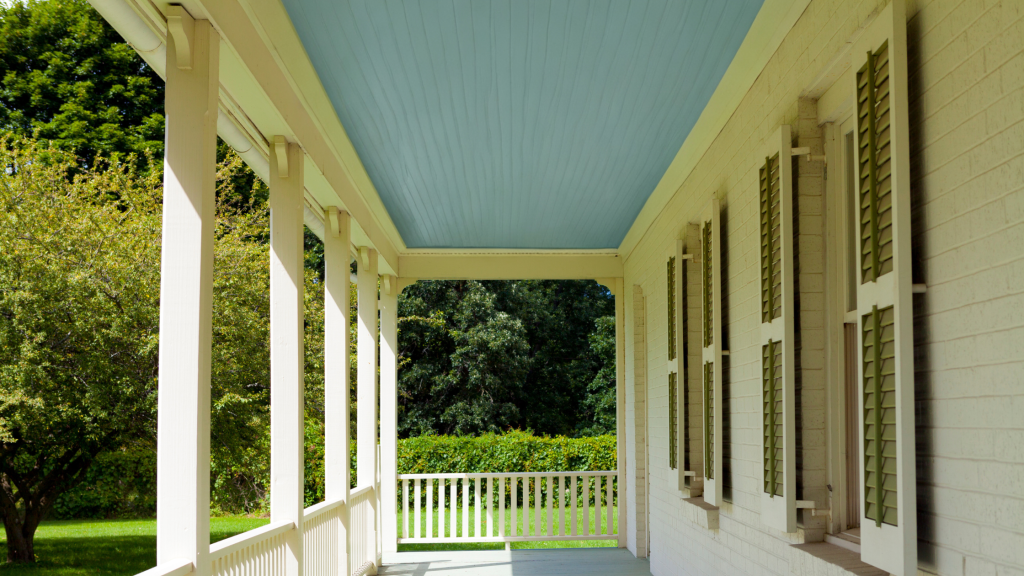
Today, we’re diving deep into a color that has always been surrounded by mystique and allure – the beautiful shade of haint blue. If you’ve ever walked past a Southern home with a stunning light blue porch ceiling, you’ve witnessed the magic of haint blue. But did you know about the rich history and cultural…
Read MorePrepare Your Home For Winter: 9 Tips to Stay Warm and Reduce Energy Costs

Intro With winter just around the corner, now is the time to start thinking about how you can prepare your home for the colder months ahead. Predictions of rapidly rising energy prices (as much as 34%!) are a sign that we all need to be extra vigilant about conserving heat this winter. Here are 7…
Read More5 Easy Ways to Make Your Backyard Eco-Friendly

Think it’s too difficult to “go green”? Let us prove you wrong. You might be thinking about making your backyard more eco-friendly for a few reasons. Maybe you want to save on your water bill, or you’re interested in reducing your carbon footprint. Whatever the reason, there are plenty of ways to make your…
Read MoreShe Said She Shed; 5 Unique Ideas You’ll Love
Think She Sheds are nothing more than a glorified shed? Let us change your mind. She Sheds first arrived on the scene a few years ago, and they have evolved into truly personalizable retreats, completely custom-fitted to whatever your heart can dream of. Although you love your family, sometimes you just need a space that’s…
Read More