 Skip to content
7 Signs It’s Time to Refinish or Restain Your Deck
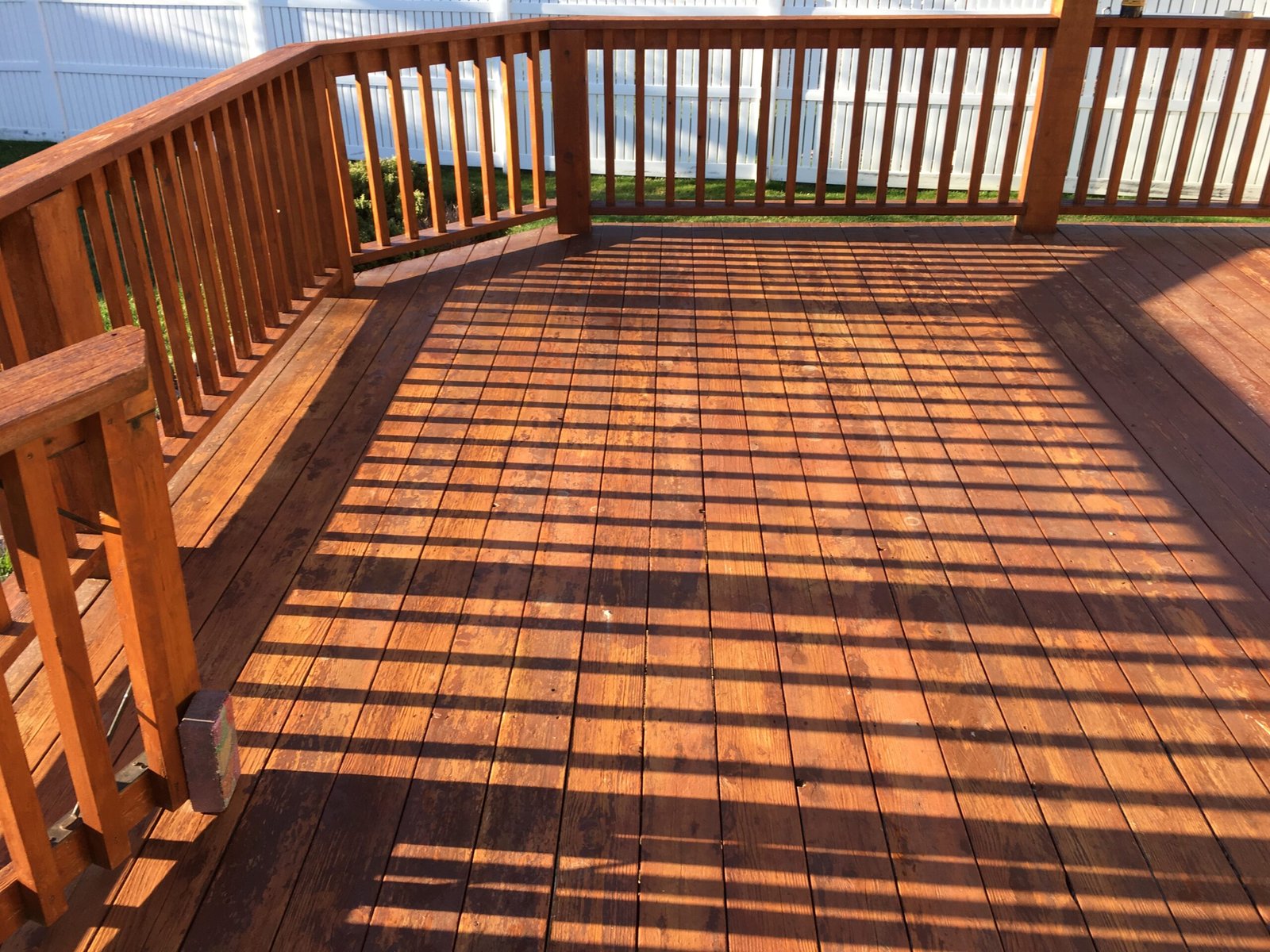
Your deck is one of the hardest-working features of your home. It handles constant foot traffic, harsh UV rays, rain, snow, humidity, and dramatic temperature swings year-round. Over time, even the best-built decks begin to show signs of wear.
The good news? Catching those warning signs early can help you avoid expensive repairs and extend the life of your deck for years.
Refinishing or restaining your deck doesn’t just improve curb appeal — it also protects the wood from moisture damage, cracking, warping, mold growth, and premature deterioration. According to Bob Vila, deck stain helps protect against water damage, UV rays, mold, mildew, and wood rot while improving the deck's overall lifespan.
If you’re unsure whether your deck needs attention, here are seven clear signs it may be time to refinish or restain it.
1. The Color Has Faded or Turned Gray
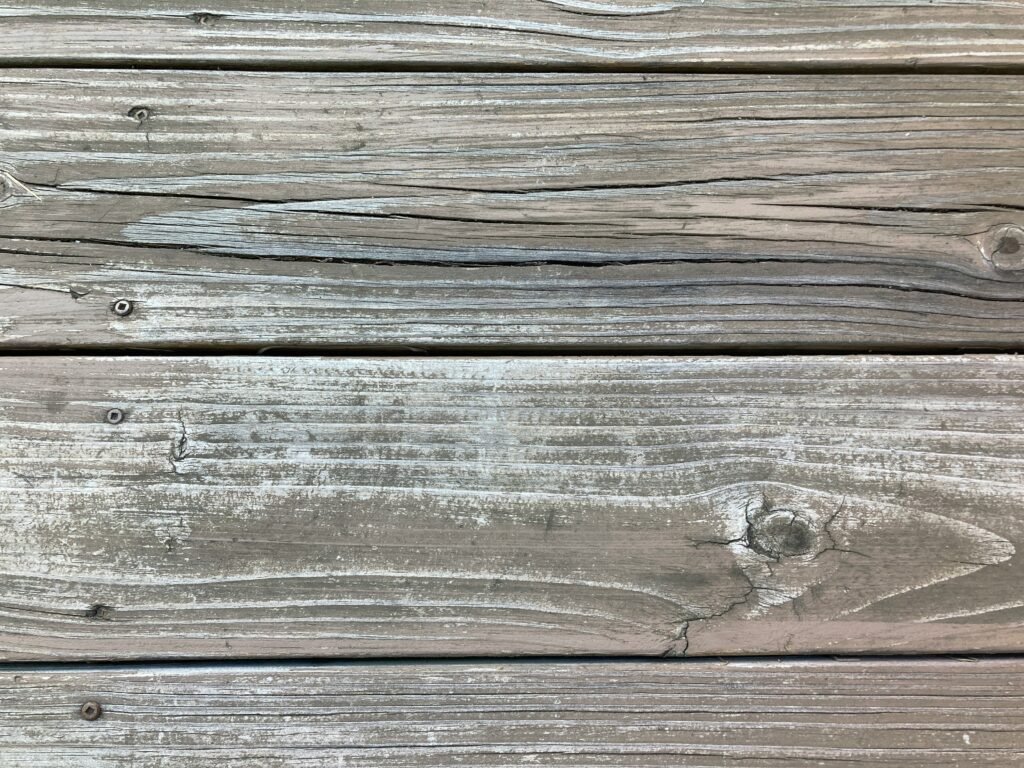
One of the earliest signs your deck needs refinishing is fading or discoloration.
Wood naturally changes color over time when exposed to sunlight and moisture. Ultraviolet (UV) rays slowly break down the wood fibers and protective stain layer, causing the surface to lose its rich color and eventually turn gray.
Fading and graying are among the most common indicators that your deck’s protective finish is failing.
While some homeowners like the weathered appearance of gray wood, it often means the deck is no longer adequately protected from the elements.
Once UV damage begins, the wood becomes more vulnerable to:
- Drying and cracking
- Surface deterioration
- Splintering
- Moisture absorption
- Rot and mildew growth
Refinishing the deck restores both appearance and protection before more serious damage occurs.
2. Water No Longer Beads on the Surface
A properly stained deck should repel water.
One of the easiest ways to determine whether your deck still has adequate protection is the “water test.” Simply pour a small amount of water onto the deck boards and observe what happens.
If the water beads up, your stain or sealant is likely still working.
If the water immediately soaks into the wood, the protective barrier has worn down.
This simple test is a reliable way to determine when it’s time to restain a deck.
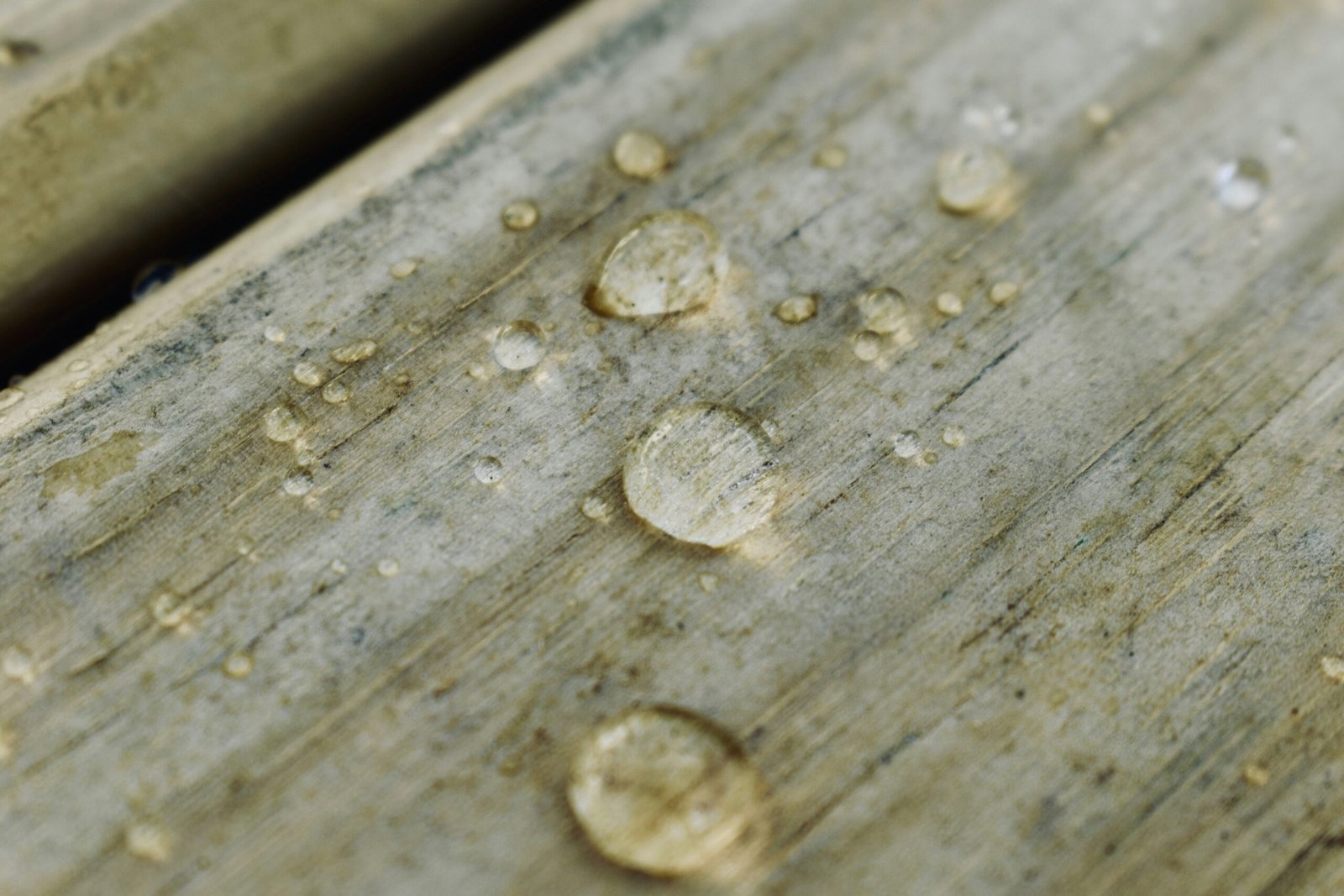
When water penetrates unprotected wood, it can lead to:
- Swelling
- Warping
- Mold and mildew growth
- Rotting
- Structural weakening
This is especially important in regions with high humidity, frequent rainfall, snow, or freeze-thaw cycles.
3. The Wood Feels Rough or Splintered
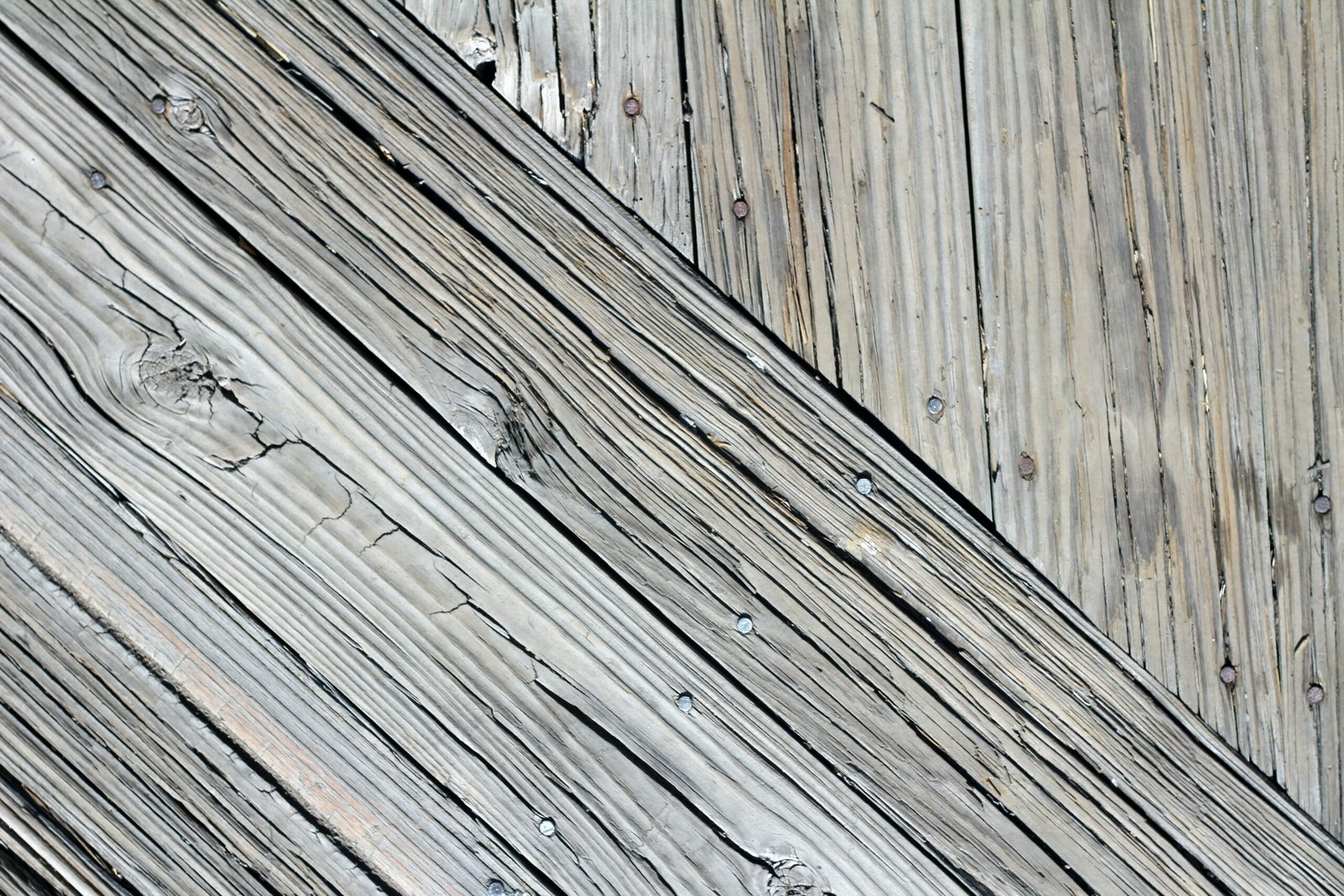
If your deck no longer feels smooth underfoot, it’s likely overdue for maintenance.
Exposure to sun and moisture slowly breaks down the wood fibers on the surface. Over time, boards may begin to splinter, crack, or feel rough.
Splintered boards and surface deterioration are important warning signs homeowners should address before they become safety hazards.
Splintering often occurs because:
- The protective stain has worn away
- Moisture repeatedly enters and exits the wood
- UV rays dry out the wood fibers
- The deck has gone too long without maintenance
Sanding and refinishing the deck can smooth the surface and restore protection before the damage worsens.
4. You Notice Cracking, Warping, or Peeling
Cracked boards, warped sections, and peeling stain are all strong indicators that your deck’s finish has failed.
Wood naturally expands and contracts as temperatures and moisture levels change. Without proper protection, repeated exposure to rain and sunlight accelerates this process.
Excessive cracking, warping, and peeling can indicate neglected maintenance and prolonged exposure to weather.
Common signs include:
- Boards curling upward
- Deep surface cracks
- Peeling or flaking stain
- Uneven surfaces
- Soft or weakened wood
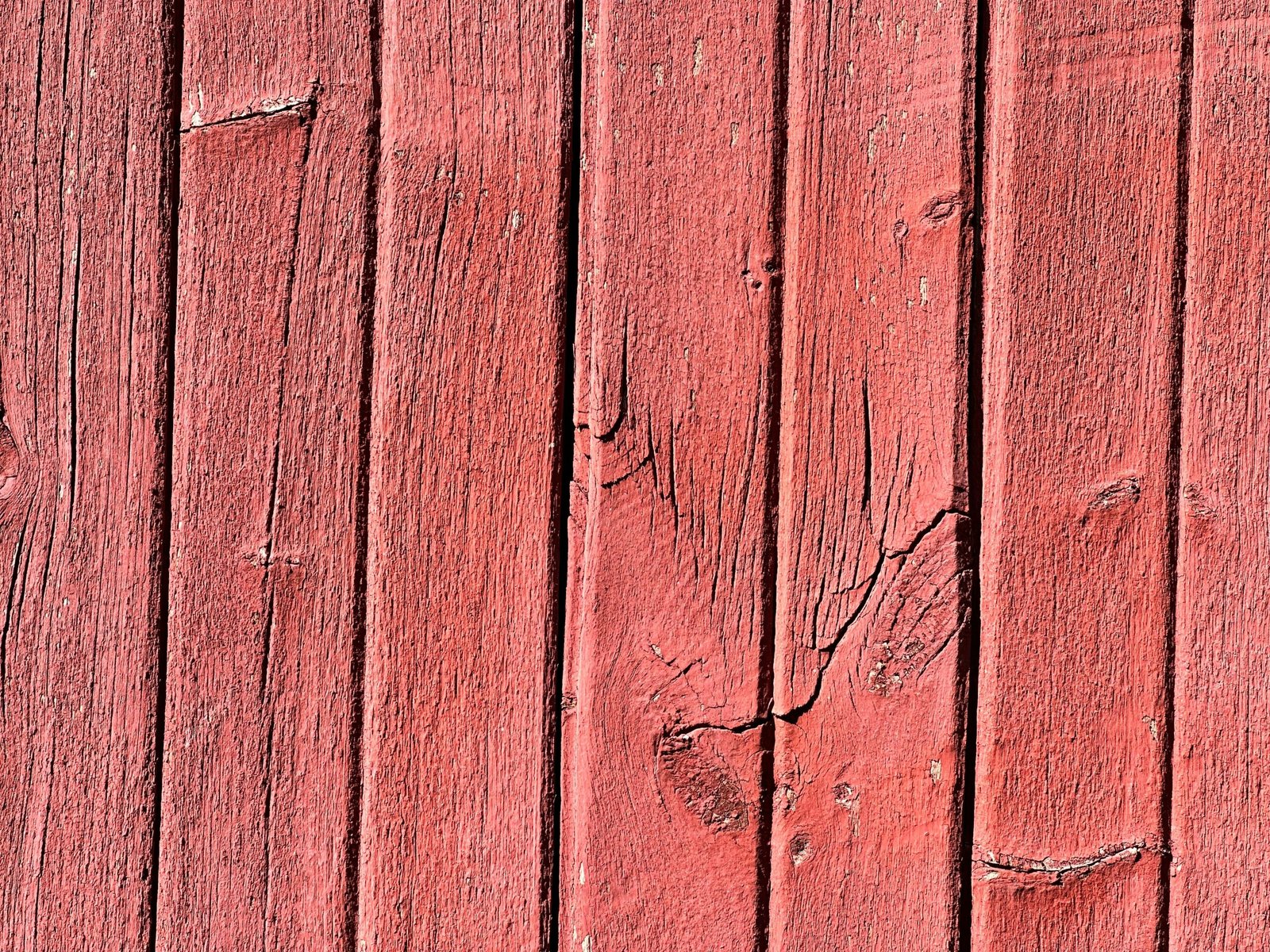
In many cases, refinishing the deck early can prevent the need for full board replacement later.
5. Mold, Mildew, or Algae Are Appearing
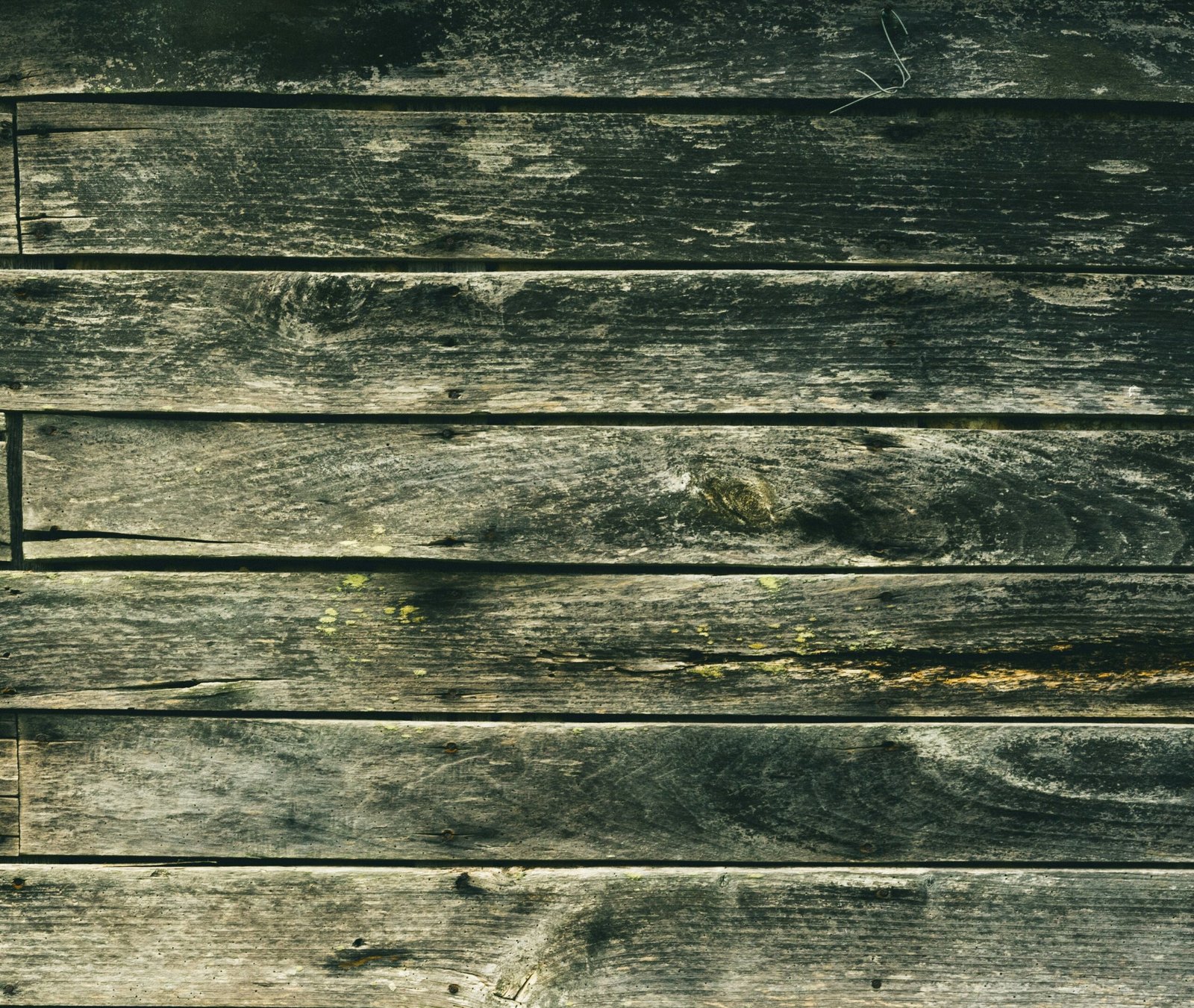
Dark spots, green buildup, or slippery areas on your deck are signs that moisture is becoming trapped in the wood.
Decks that remain damp for long periods are highly susceptible to mold, mildew, and algae growth — especially in shaded areas or humid climates.
Deck stains help protect against mold and mildew while reducing moisture absorption.
Mold and mildew don’t just affect appearance. They can also:
- Make surfaces slippery
- Cause wood deterioration
- Trap additional moisture
- Create health concerns for some homeowners
Proper deck refinishing typically includes:
- Cleaning and washing the surface
- Removing mildew or algae buildup
- Sanding damaged areas
- Applying a protective stain or sealant
This helps restore the deck while reducing future moisture-related issues.
6. High-Traffic Areas Look Worn Down
Certain areas of your deck experience more wear than others.
Stairs, entry points, grill areas, and seating spaces often lose their finish faster due to foot traffic, furniture movement, and direct sunlight. Visible wear in high-traffic areas as a major sign that refinishing is needed.
You may notice:
- Bare wood showing through
- Uneven coloring
- Surface thinning
- Dull spots
- Patchy stain appearance
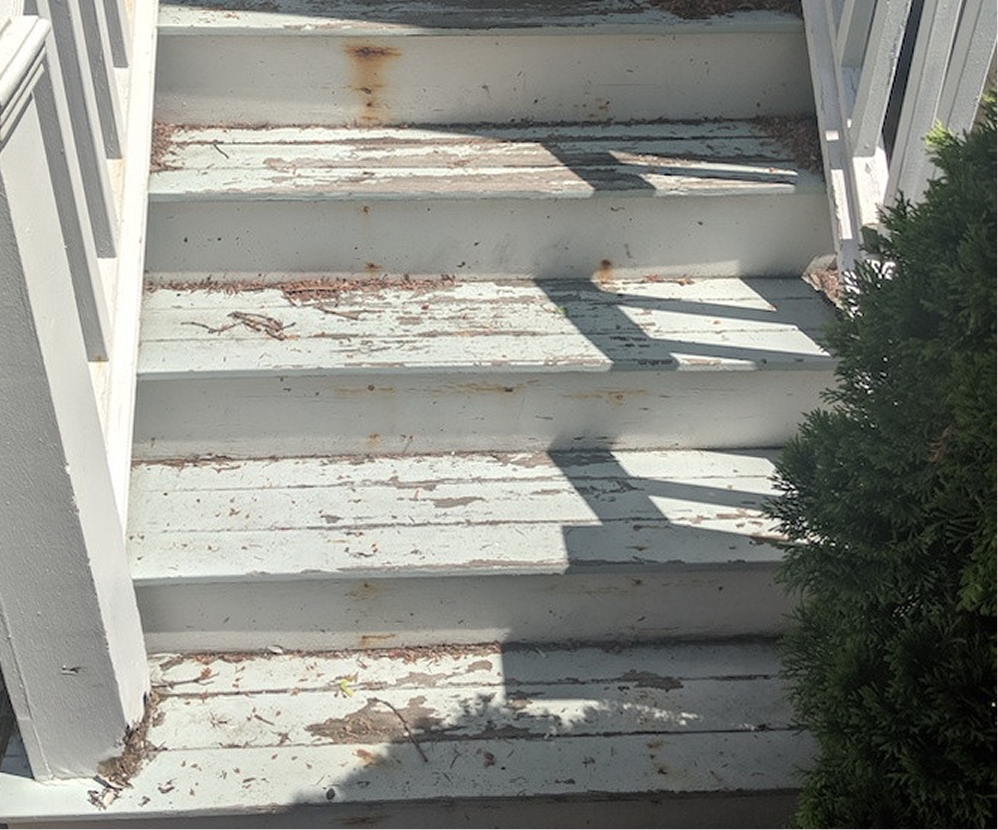
When only certain areas wear down, homeowners sometimes attempt spot repairs. However, isolated touch-ups often leave noticeable color differences.
A full refinishing project creates a more even, longer-lasting result.
7. It Has Been More Than 2–3 Years Since Your Last Staining
Even if your deck doesn’t look severely damaged yet, time alone may indicate it’s due for maintenance.
Most wood decks require resealing or restaining every two to three years, depending on:
- Climate
- Sun exposure
- Foot traffic
- Type of stain used
- Wood species
Most decks benefit from resealing every two to three years, though heavily exposed decks may need attention sooner.
Regular staining and sealing to help prevent fading, cracking, and weather damage.
If you cannot remember the last time your deck was refinished, there’s a good chance it’s time for an inspection.
Why Deck Refinishing Matters
Some homeowners delay deck maintenance because the damage initially appears cosmetic. Unfortunately, minor issues can quickly become expensive structural problems if left untreated.
Routine refinishing helps:
- Extend the life of the deck
- Protect against moisture intrusion
- Prevent wood rot
- Reduce cracking and splintering
- Improve safety
- Restore curb appeal
- Preserve property value
Refinishing a deck is typically far more cost-effective than replacing it entirely.
DIY vs Professional Deck Refinishing
While refinishing a deck may seem like a straightforward weekend project, achieving long-lasting, professional-quality results often requires far more preparation and expertise than many homeowners expect. Proper deck refinishing involves much more than simply applying a fresh coat of stain. The surface must first be thoroughly cleaned, properly dried, and carefully sanded to ensure the new stain adheres correctly and provides even coverage.
Many DIY deck staining projects fail prematurely because of improper preparation, incorrect stain selection, or poor timing with weather conditions. Applying stain to damp wood, overapplying product, or skipping essential prep work can lead to peeling, blotchy finishes, and reduced durability. According to Better Homes & Gardens, some of the most common DIY deck refinishing mistakes include incomplete stain removal, improper pressure washing, and inadequate surface preparation before staining.
Professional deck refinishing helps eliminate many of these issues while delivering a cleaner, more durable result. Experienced crews understand how to identify hidden damage, choose the right products for different wood types and climates, and apply stain evenly for maximum protection and longevity. Professional refinishing can also save homeowners significant time and frustration while helping extend the life of the deck itself.
At Paint EZ, we handle the entire refinishing process from start to finish, including cleaning, sanding, prep work, and professional stain application, so homeowners can enjoy a beautiful, protected outdoor space without the stress of tackling it alone.
Professional Deck Staining & Refinishing with Paint EZ
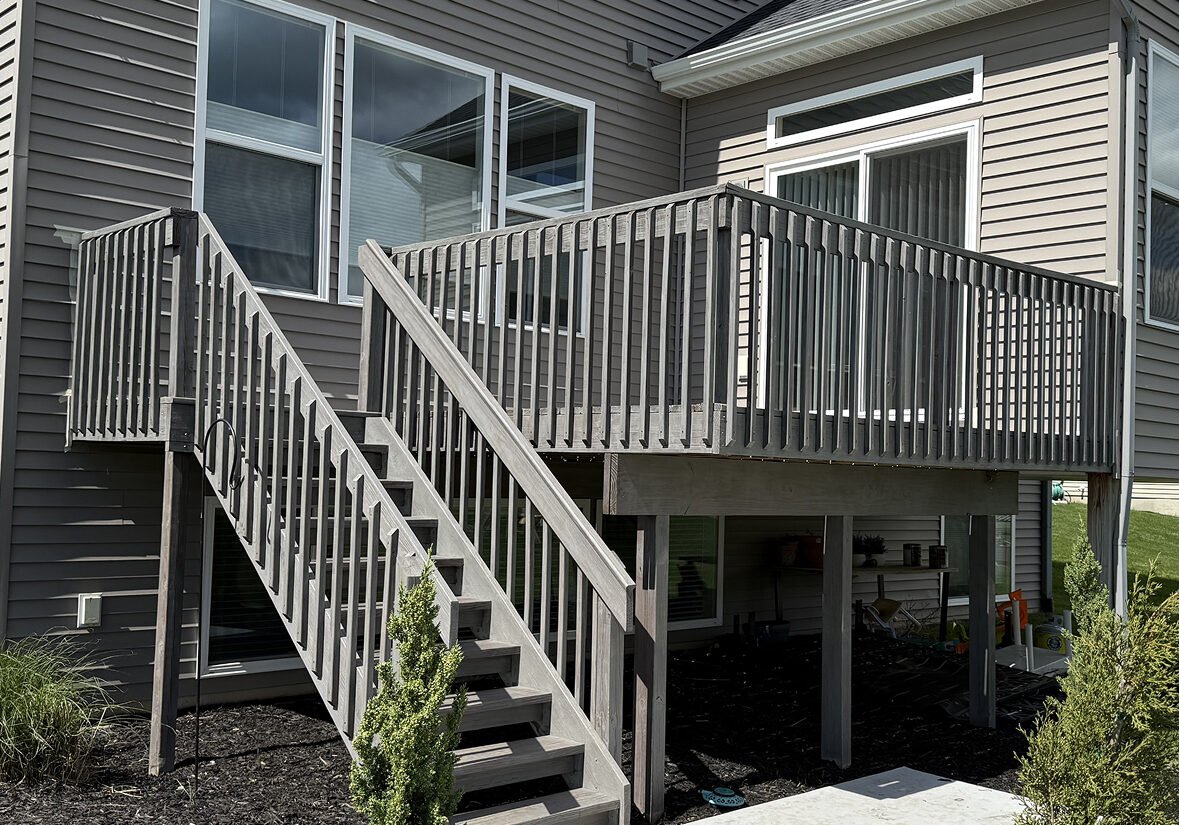
At Paint EZ, we help homeowners protect and restore their outdoor living spaces with professional deck staining and refinishing services.
Our team handles the entire process, including:
- Deck cleaning and preparation
- Surface sanding
- Minor repairs and inspections
- Professional stain application
- Protection against UV and moisture damage
Whether your deck needs a simple refresh or a complete refinishing project, we make the process easy from start to finish.
We work with homeowners to choose the right stain type, color, and finish based on the deck's age, wood condition, climate, and long-term maintenance goals.
Final Thoughts
Your deck is constantly exposed to harsh weather and daily wear, so regular maintenance is essential for keeping it safe, attractive, and long-lasting.
If you notice fading, splintering, moisture absorption, peeling stain, mildew growth, or worn high-traffic areas, it may be time to refinish or restain your deck before small problems become major repairs.
A professionally refinished deck not only improves the appearance of your home — it also protects your investment for years to come.
If your deck is showing signs of wear, Paint EZ can help restore its beauty and protection with professional deck staining and refinishing services designed to make outdoor maintenance simple and stress-free.
3. The Wood Feels Rough or Splintered
If your deck no longer feels smooth underfoot, it’s likely overdue for maintenance.
Exposure to sun and moisture slowly breaks down the wood fibers on the surface. Over time, boards may begin to splinter, crack, or feel rough.
Splintered boards and surface deterioration are important warning signs homeowners should address before they become safety hazards.
Splintering often occurs because:
- The protective stain has worn away
- Moisture repeatedly enters and exits the wood
- UV rays dry out the wood fibers
- The deck has gone too long without maintenance
Sanding and refinishing the deck can smooth the surface and restore protection before the damage worsens.
