 Skip to content
Limewash vs. Whitewash: Which Finish Is Best for Brick, Fireplaces, and Interior Walls?
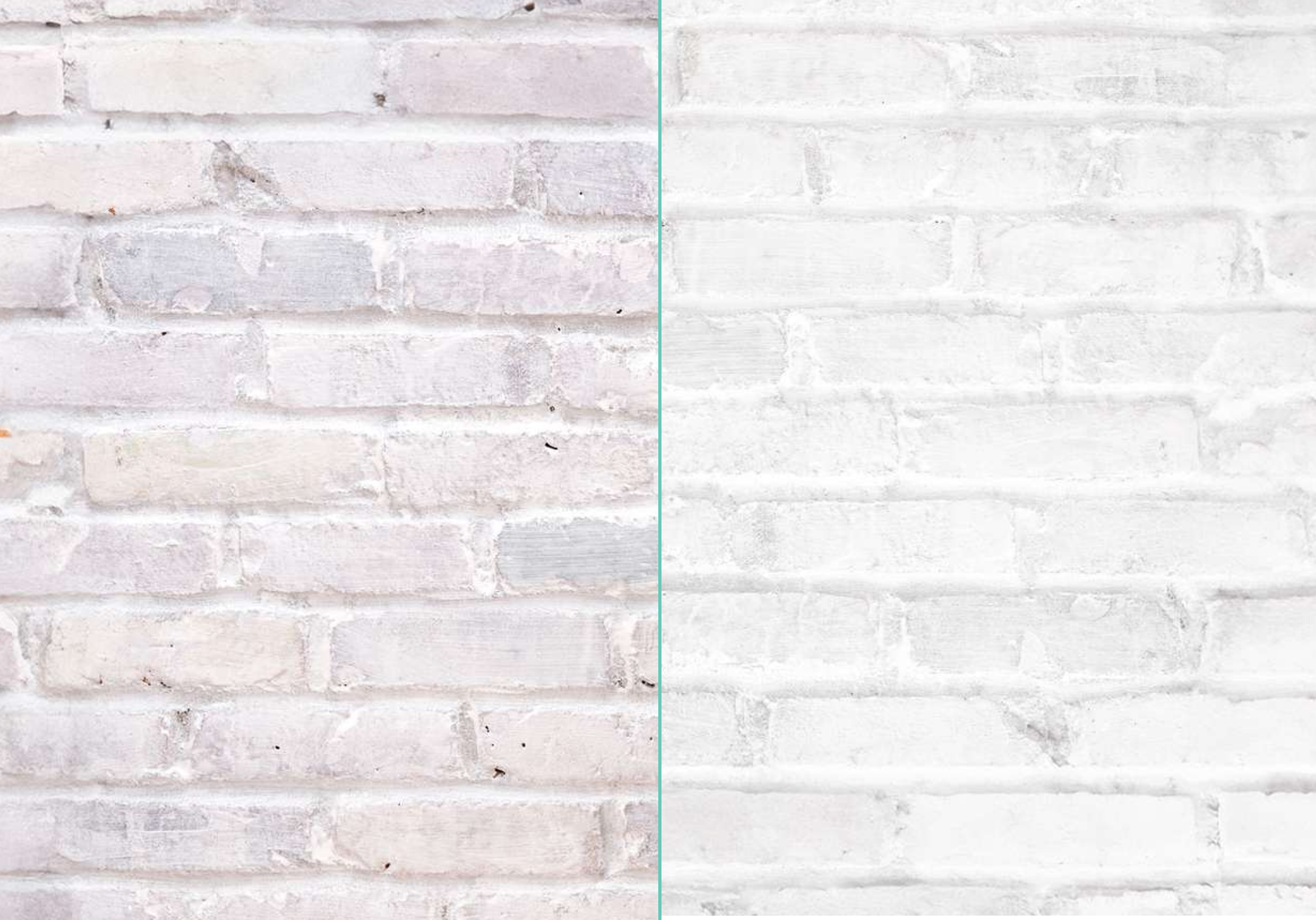
If you've spent any time browsing home design trends recently, you've probably seen limewashed brick fireplaces, softly textured walls, and beautifully aged exteriors that look as if they've stood for generations. At the same time, whitewashed brick and wood surfaces continue to appear in farmhouse, coastal, and cottage-inspired homes. While these finishes may look similar at first glance, limewash and whitewash are not the same thing.
Understanding the difference is important because the finish you choose affects everything from appearance and maintenance to durability and long-term performance. Whether you're considering updating a brick fireplace, refreshing an exterior brick home, or adding character to an interior wall, knowing how each option works can help you make the right decision.
What Is Limewash?
Limewash is one of the oldest decorative finishes still used today. Made from crushed limestone that has been transformed into lime and mixed with water, limewash has been used for centuries throughout Europe, the Mediterranean, and parts of the Middle East. According to Better Homes & Gardens, limewash is prized for its natural, mineral-based composition and its ability to create depth, texture, and movement that traditional paint often cannot achieve.
Unlike conventional paint, limewash doesn't simply sit on the surface. When applied to porous materials such as brick, stone, or stucco, it penetrates the substrate and forms a bond with the masonry itself. This creates a finish that feels authentic rather than manufactured.
One of the reasons homeowners are increasingly drawn to limewash is its distinctive appearance. The finish creates subtle variations in tone, allowing surfaces to appear soft, weathered, and naturally aged. Rather than producing a perfectly uniform color, limewash embraces variation. The result is a look that feels timeless and organic.
Designers frequently use limewash to create European-inspired interiors, Mediterranean exteriors, and modern organic spaces where texture plays an important role in the overall design.
What Is Whitewash?
Whitewash has a different origin and purpose. Traditionally, whitewash referred to a thin mixture used to lighten surfaces while allowing some of the original material to remain visible. Today's whitewashing techniques typically involve diluting paint with water before applying it to wood, brick, or other decorative surfaces.
Where limewash becomes part of the masonry, whitewash acts more like a decorative coating. It sits closer to the surface, creating a semi-transparent appearance that softens the underlying material without completely hiding it.
Whitewash became particularly popular during the rise of farmhouse and coastal design styles. Many homeowners appreciate how it brightens a space while preserving the texture and character of the brick or wood underneath.
While both finishes create a lighter, softer appearance than traditional paint, their visual effects are quite different. Whitewash tends to look more intentional and controlled, while limewash often appears naturally aged and weathered.
The Biggest Difference Between Limewash and Whitewash
The easiest way to understand the difference is to think about how each product interacts with the surface beneath it.
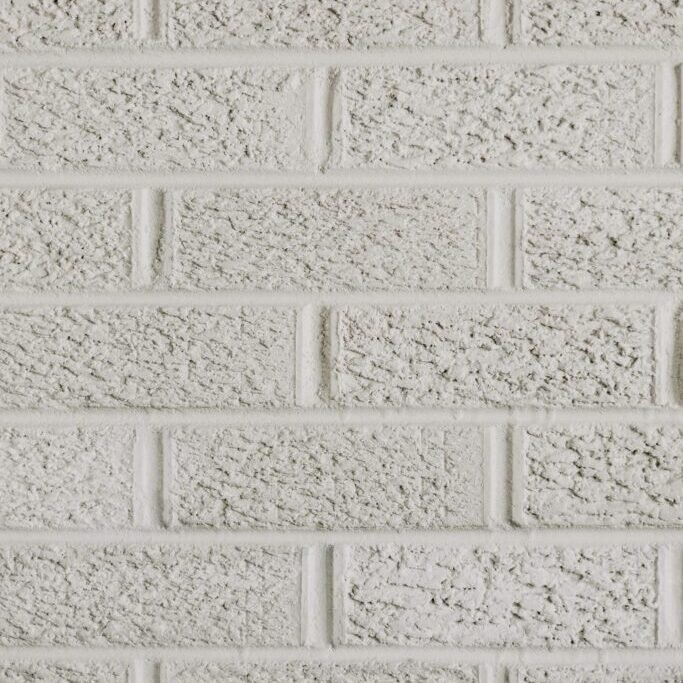
Limewash is a mineral finish that becomes part of porous masonry. Whitewash is generally a paint-based treatment that remains on the surface.
This difference affects more than appearance. Limewash remains highly breathable, allowing moisture to move through masonry rather than becoming trapped beneath a coating. This is one reason limewash has been used for centuries on historic brick and stone structures.
Whitewash can still provide an attractive finish, but it doesn't offer the same mineral properties or breathability as limewash.
The result is that limewash tends to develop a softer, more natural patina over time, while whitewash maintains a more decorative painted appearance.
Limewash vs. Whitewash for Brick
Brick is one of the most common surfaces homeowners consider when exploring these finishes.
For exterior brick homes, limewash has become increasingly popular because it preserves the texture and character of the masonry while dramatically changing the overall appearance. Many homeowners want a lighter, more modern exterior without completely hiding the brick beneath layers of paint. Limewash offers a middle ground that allows the home to retain its original character.
Because limewash penetrates porous brick, it creates a finish that feels authentic and natural. The slight variations in color and texture often make homes appear as though they have aged beautifully over decades rather than being recently renovated.
Whitewash can also be applied to brick, but it produces a different result. The finish typically appears brighter and more decorative. Homeowners who love farmhouse aesthetics often prefer whitewash because it allows more of the brick pattern to remain visible while still creating a lighter overall look.
When choosing between the two, the decision often comes down to style. Limewash tends to complement European, Mediterranean, and modern organic homes, while whitewash is commonly associated with farmhouse, cottage, and coastal designs.
Which Is Better for a Brick Fireplace?
Fireplaces are among the most-searched applications for both limewash and whitewash, and for good reason. Updating a dated brick fireplace can dramatically transform an entire room.
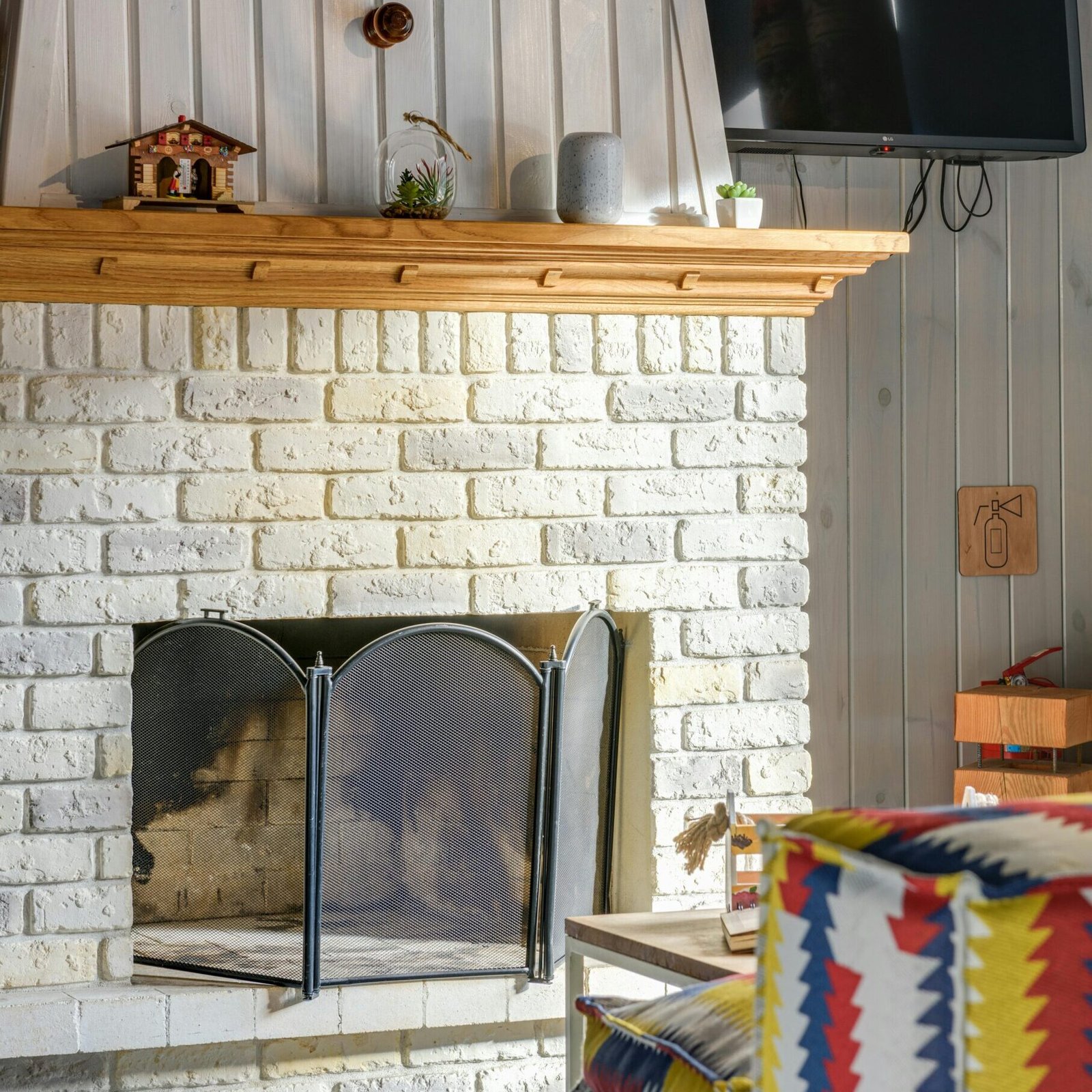
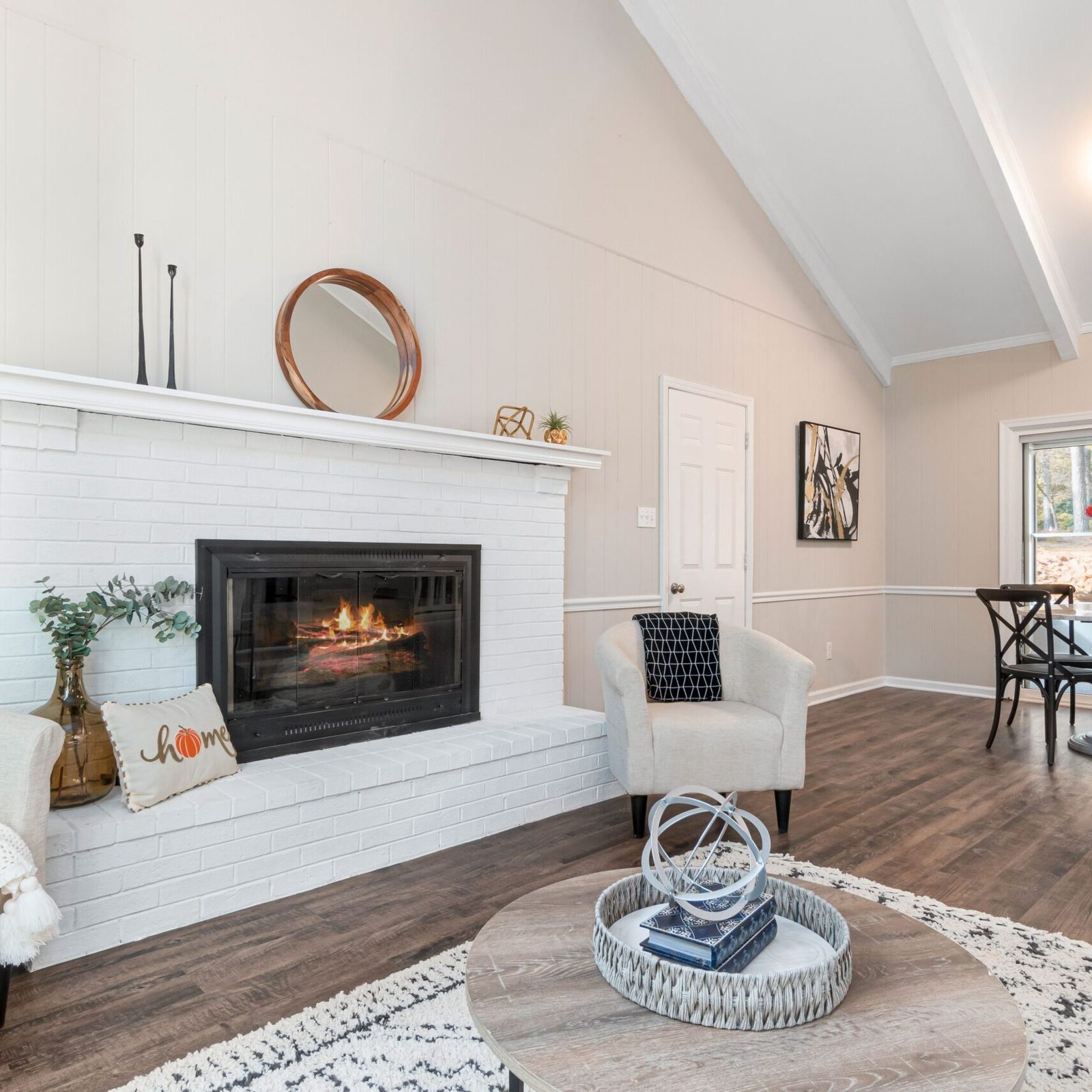
Limewash works exceptionally well on fireplaces because it softens heavy brick textures without making them disappear. The finish creates visual depth and movement that changes subtly throughout the day as natural light moves across the surface. Designers often favor limewash when the goal is to create a focal point that feels sophisticated and timeless.
Whitewash offers a lighter touch. Instead of dramatically changing the fireplace, it allows much more of the original brick color and texture to show through. This approach appeals to homeowners who want to brighten a room while maintaining a rustic or casual feel.
Real Simple notes that textured wall and masonry finishes are becoming increasingly popular as homeowners seek alternatives to flat, uniform painted surfaces. Limewashed fireplaces fit perfectly within this trend because they introduce visual interest without overwhelming the room.
Why Limewash Walls Are Trending
While limewash has long been associated with masonry, interior walls have become one of its fastest-growing applications.
Many homeowners have grown tired of perfectly smooth walls painted in uniform colors. As design trends move toward warmer, more natural interiors, textured finishes have become increasingly desirable.
Limewash creates movement that changes depending on the angle of the light and the time of day. Instead of a flat surface, walls develop subtle variations that add depth and character to a room.
House Beautiful has highlighted limewash as one of the defining finishes of the modern organic design movement, noting its ability to create a lived-in appearance that feels both elegant and approachable.
Bedrooms, dining rooms, home offices, and accent walls are among the most popular spaces for limewash because the finish adds visual warmth without requiring bold colors or dramatic architectural changes.
Is Limewash Better Than Paint?
Many homeowners researching limewash eventually ask whether it is actually better than traditional paint.
The answer depends on the goal.
If you want a perfectly consistent finish with unlimited color options and straightforward maintenance, traditional paint remains an excellent choice.
If you're looking for texture, character, breathability, and a finish that feels handcrafted rather than manufactured, limewash offers advantages that conventional paint simply cannot replicate.
This is especially true on brick, stone, and other masonry surfaces, where limewash can enhance rather than conceal the material's natural character.
Rather than viewing paint and limewash as competitors, it's often more helpful to think of them as entirely different design tools.
Limewash vs. Whitewash vs. German Schmear
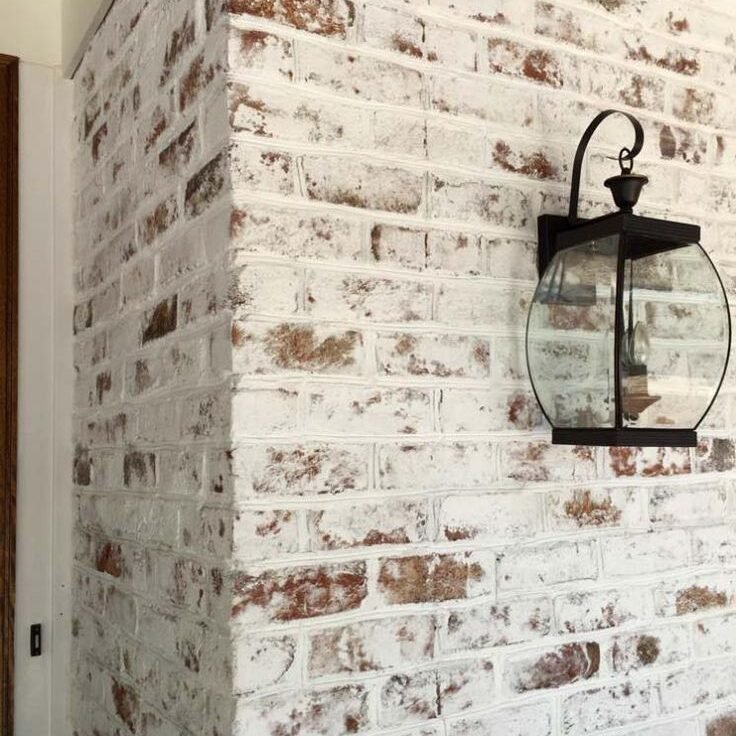
Another comparison homeowners frequently encounter is German schmear.
While limewash and whitewash alter a surface's color, German schmear changes both its color and texture. The process involves applying mortar to brick and partially removing it to create a heavily textured, old-world appearance.
The result is often more dramatic than either limewash or whitewash.
Limewash creates a soft, cloudy effect that preserves texture. Whitewash lightens surfaces while allowing much of the original material to remain visible. German schmear introduces additional texture and creates the appearance of aged European masonry.
Each finish serves a different purpose, so the best choice largely depends on the home's architectural style and the aesthetic you're trying to achieve.
How Long Does Limewash Last?
One reason limewash has remained popular for centuries is its durability.
When applied correctly to suitable masonry surfaces, limewash can last for many years. Because it becomes part of the substrate rather than forming a film on top, it generally ages differently than paint.
Instead of peeling or chipping, limewash gradually develops a weathered patina that many homeowners find appealing. Some people choose limewash specifically because of how it evolves over time.
Exterior longevity depends on climate, sun exposure, moisture levels, and the condition of the underlying masonry. Interior applications typically experience even longer performance because they are protected from the elements.
Which Finish Should You Choose?


For homeowners seeking an authentic, timeless appearance with natural texture and depth, limewash is often the better option. It works particularly well on brick homes, stone surfaces, fireplaces, and interior accent walls where character and movement are desired.
Whitewash remains an excellent choice for those who prefer a brighter, more casual aesthetic. It can be especially effective in farmhouse, cottage, and coastal-inspired spaces where preserving some of the original surface remains important.
Neither finish is inherently better than the other. The right choice depends on the surface, the home's architectural style, and the overall look you're trying to achieve.
If your goal is to create a finish that feels rich, natural, and rooted in centuries of design tradition, limewash offers a unique combination of beauty, texture, and authenticity that continues to attract homeowners and designers alike.
