 Skip to content
Flat, Eggshell, Satin, or Semi-Gloss? Choosing the Right Paint Finish for Every Room
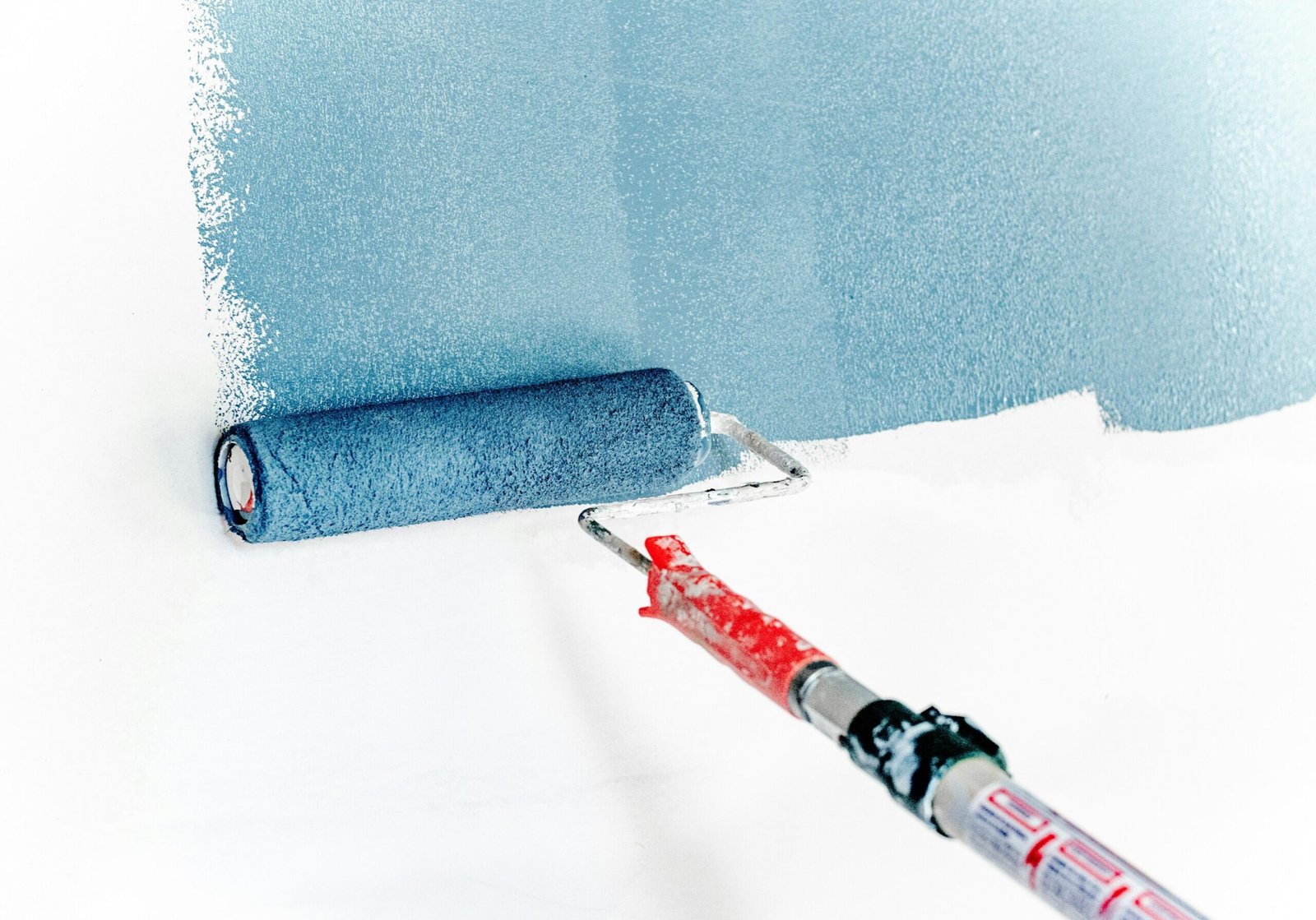
Choosing an interior paint color is only half the decision. The finish, also called the sheen, determines how much light the painted surface reflects. It can make a color look richer or brighter, reveal or soften surface imperfections, and influence how easily the wall can be cleaned.
There is no single paint finish that is best for every room. A quiet bedroom, a busy hallway, a steamy bathroom, and a painted door all place different demands on a coating. The best approach is to match the finish to the surface, the amount of traffic, the room's moisture level, and the look you want to create.
For most homes, flat or matte works well on ceilings and low-traffic walls, eggshell is a versatile choice for many living areas, satin adds durability in busy or moisture-prone rooms, and semi-gloss is commonly used on trim, doors, cabinets, and other surfaces that receive frequent contact. Product quality and surface preparation still matter, so sheen should be considered as one part of the complete paint system.
What is Paint Sheen, and Why Does It Matter?
Paint sheen describes how much light reflects from a dry painted surface. Benjamin Moore's paint-finish guide places common finishes on a progression from flat, which reflects very little light, through eggshell and satin to semi-gloss and high-gloss finishes. Sherwin-Williams similarly groups finishes by their level of reflection and notes that sheen affects durability, moisture performance, and how readily imperfections are noticed.
As sheen increases, a surface generally becomes easier to wipe clean, but reflections can make drywall seams, patches, dents, and uneven texture more visible. Lower-sheen coatings create a softer appearance and help visually quiet an imperfect surface, but some formulas are less tolerant of repeated scrubbing.
Modern premium paints complicate the old rule that shinier always means more durable. Many washable matte and eggshell products now provide stronger performance than earlier low-sheen paints. Even so, the exact product matters. Finish names and gloss levels can vary by manufacturer, so compare the technical guidance for the paint being used rather than assuming every brand's eggshell or satin is identical.
When Should You Choose Flat or Matte Paint?
Flat paint has little to no visible shine. Matte paint is closely related, although some manufacturers give matte slightly more luster and washability than a true flat finish. Both create an even, calm appearance that works especially well where you want the color to take center stage instead of reflected light.
Ceilings are the most common application. A flat ceiling finish reduces glare from windows and light fixtures and helps disguise minor waviness, patches, or texture. Benjamin Moore describes dead-flat ceiling paint as a way to minimize lap marks and hide imperfections. Flat or matte may also suit adult bedrooms, formal living rooms, dining rooms, or low-traffic spaces where walls are unlikely to need frequent washing.

The tradeoff is maintenance. A lower-sheen wall can be more difficult to clean without creating a shiny spot, especially when the coating is inexpensive or has not fully cured. Before choosing flat for a family room, hallway, or child's bedroom, check whether the specific product is designed to be washable and scuff resistant.
Is Eggshell the Best All-Purpose Finish for Walls?
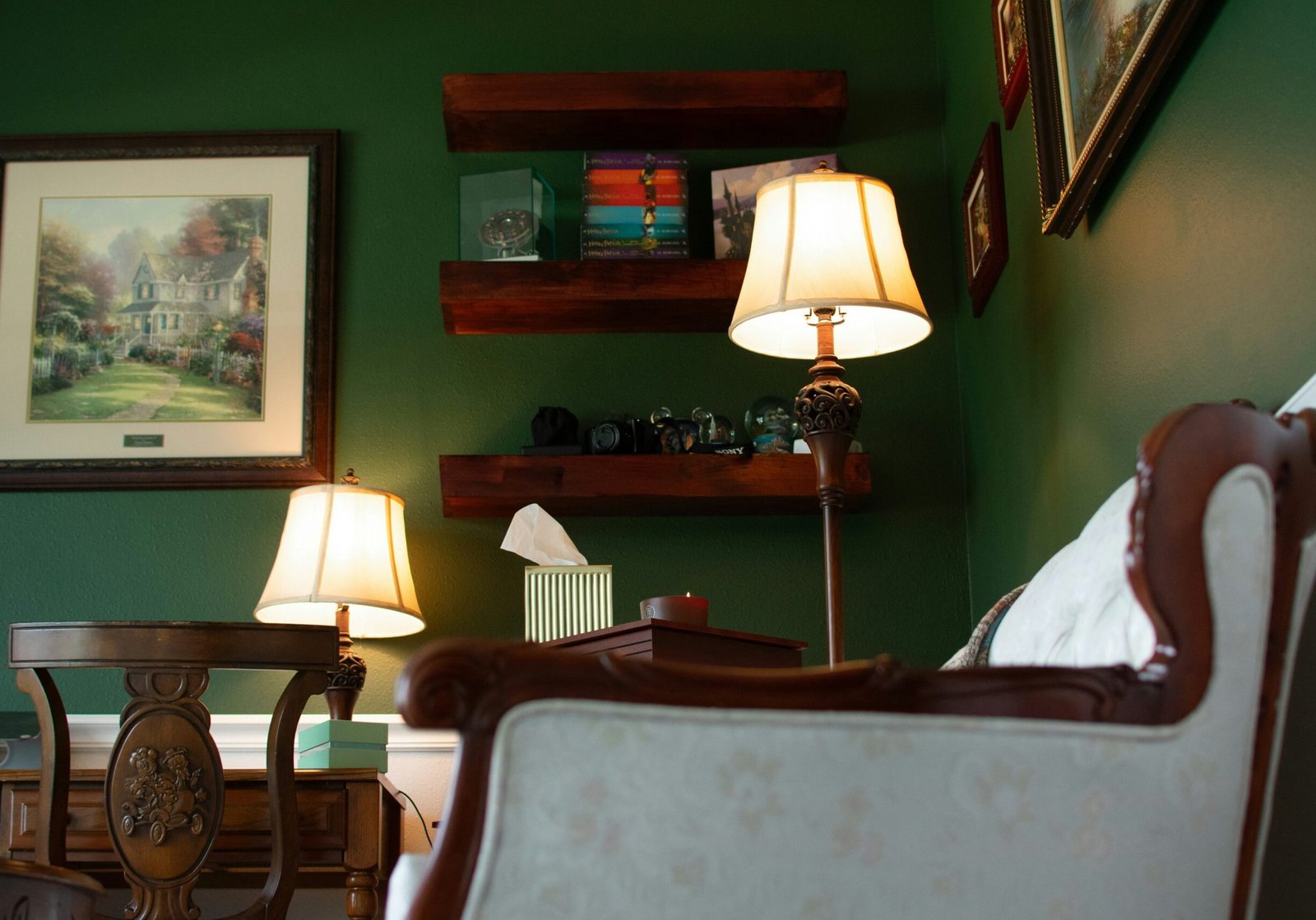
Eggshell has a subtle luster that resembles the surface of an egg. It reflects more light than flat or matte paint but is noticeably less shiny than satin. For many homeowners, that middle ground makes eggshell one of the most practical finishes for interior walls.
Eggshell works well in living rooms, dining rooms, bedrooms, home offices, and many open-concept areas. It provides enough washability for routine maintenance while keeping reflections restrained. Because the finish is not highly glossy, it is also more forgiving of minor wall imperfections than satin or semi-gloss.
In homes with children, pets, or frequent entertaining, an eggshell finish can offer a comfortable balance between appearance and upkeep. It is not automatically the correct choice for every wall, however. A narrow hallway that receives constant contact may benefit from satin, while a quiet room with less-than-perfect drywall may look better in matte.
Where Does Satin Paint Work Best?
Satin has a smoother, more noticeable luster than eggshell. It is often selected for rooms that need regular cleaning or experience more activity, including kitchens, bathrooms, laundry rooms, mudrooms, hallways, playrooms, and children's bedrooms.
Sherwin-Williams recommends satin or semi-gloss for bathroom areas because these finishes can better withstand moisture. That does not mean sheen alone prevents bathroom problems. Working ventilation, dry surfaces, correct preparation, and a coating rated for the environment are still essential. Paint cannot correct an active leak, persistent condensation, or mold source.
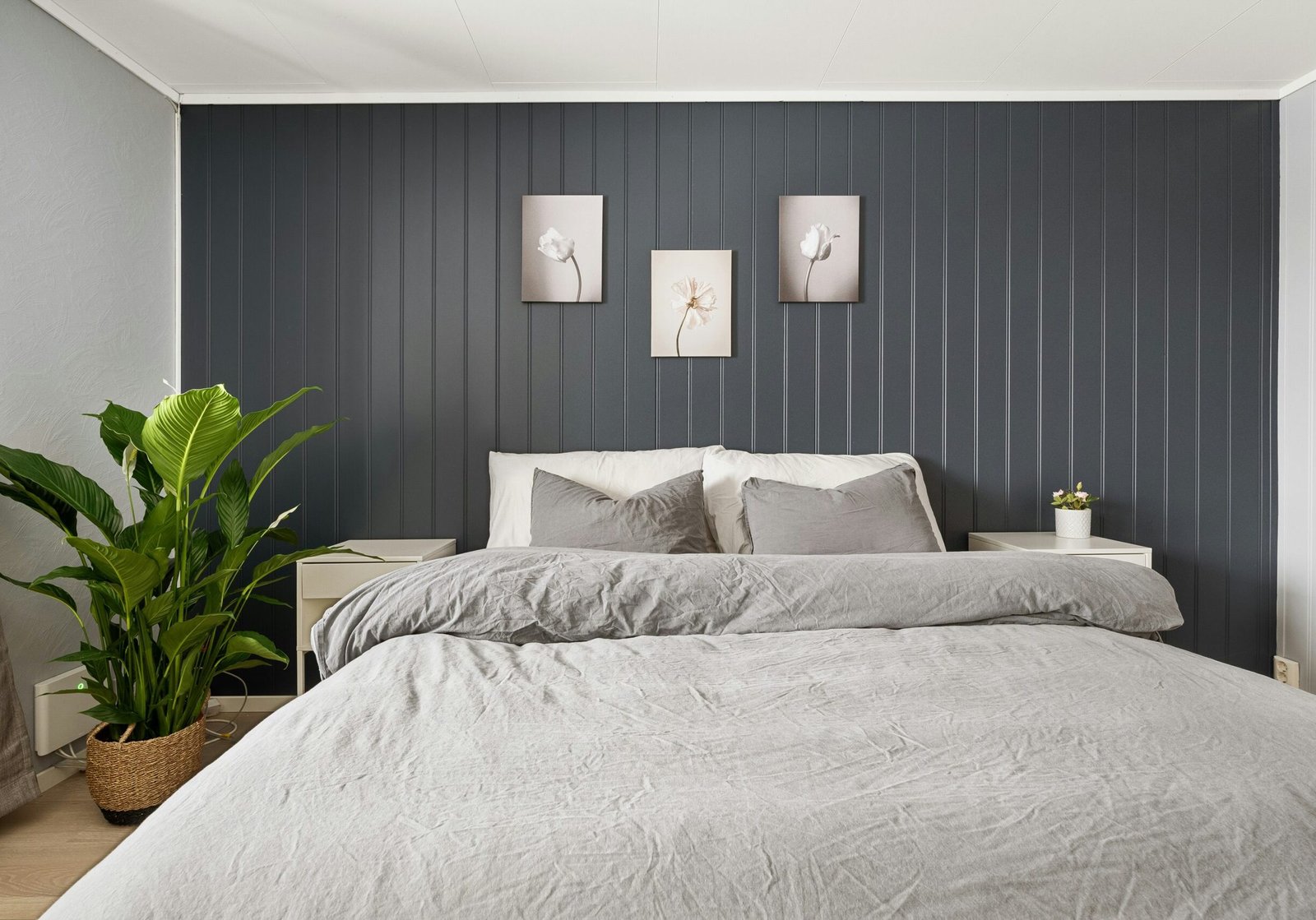
Satin can also be used on doors, trim, built-ins, and cabinets when a homeowner wants durability without the stronger shine of semi-gloss. The added reflection can bring depth to darker colors and make millwork feel intentional. On large walls with visible patches or uneven texture, however, satin may emphasize flaws, especially in strong side lighting.
When Should You Use Semi-Gloss Paint?
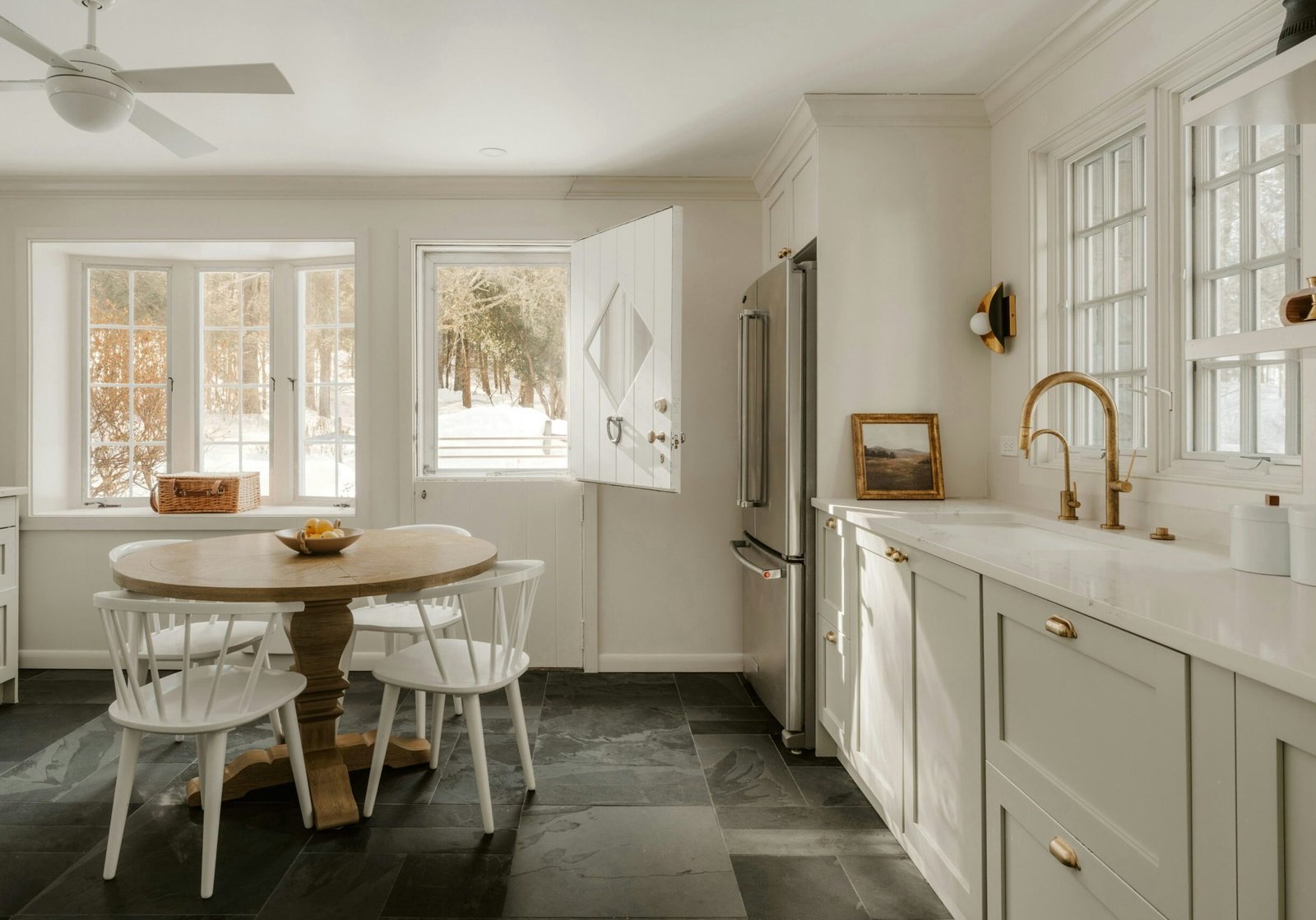
Semi-gloss creates a brighter, more reflective surface and is commonly used where durability and cleanability are priorities. Typical applications include baseboards, window and door trim, interior doors, wainscoting, built-ins, and some cabinets. Benjamin Moore lists trim, doors, cabinets, and wainscoting among the common interior uses for semi-gloss finishes.
Using a higher sheen on trim than on adjacent walls creates subtle contrast even when both surfaces are painted the same color. A wall in eggshell paired with semi-gloss trim, for example, can make architectural details stand out without adding another color.
Semi-gloss requires careful preparation because it reveals dents, brush marks, poorly sanded repairs, and uneven caulk lines. It is also not necessary to use semi-gloss on every bathroom or kitchen wall. In many homes, a high-quality satin wall paint offers enough durability while producing a softer look.
What is the Best Paint Finish For Each Room?
For ceilings, flat is usually the safest choice because it reduces glare and disguises surface variation. In living rooms and dining rooms, matte or eggshell provides a refined appearance with reasonable washability. Bedrooms can use matte or eggshell, with satin considered for children's rooms or walls that need more frequent cleaning.
Hallways, stairwells, entryways, playrooms, mudrooms, and laundry rooms receive more contact. Eggshell may work when the coating is washable, but satin often provides a useful step up in durability. Kitchens usually perform well with satin walls and satin or semi-gloss on trim, doors, or cabinetry. Bathrooms frequently call for a moisture-tolerant satin or semi-gloss product, although ventilation and manufacturer recommendations should guide the final choice.
For interior doors, trim, and baseboards, satin or semi-gloss is common. Cabinets and built-ins typically need a coating specifically formulated for those surfaces, often available in satin or semi-gloss. The product category is just as important as the sheen, because ordinary wall paint is not engineered to perform like a cabinet or trim enamel.
How Do Lighting and Color Change the Way a Finish Looks?

Sheen can change how a color is perceived. Glossy surfaces reflect more direct and ambient light, so the same paint color may look brighter or more variable in satin than in matte. Dark colors can appear especially rich in a higher sheen, but they may also show wall texture, fingerprints, and application marks more readily.
Natural light, lamps, and the direction of the room all influence the effect. A long wall receiving strong light from the side will reveal more surface variation than a wall facing the window. Before committing to a finish, test the actual color and sheen on the intended surface and observe it during the day and at night.
When multiple rooms connect visually, finishes should also feel coordinated. You do not need the same sheen everywhere, but abrupt changes can look accidental. A planned system, such as flat ceilings, eggshell walls, and satin or semi-gloss trim, creates consistency while still responding to each surface's needs.
What Should You Consider Before Making the Final Choice?
Start with how the room is used. Consider how often walls are touched, whether children or pets use the space, whether moisture is present, and how frequently you expect to clean the surface. Then evaluate the wall condition and lighting. A higher sheen may be practical, but it will not flatter damaged drywall without proper repairs.
Next, select the paint product before finalizing the finish. Review its available sheens, cleaning guidance, cure time, and recommended applications. Finish labels are not perfectly standardized across brands, and a premium washable matte may outperform a lower-grade satin in real-world use.
Finally, think beyond the walls. Ceilings, trim, doors, cabinets, and built-ins may need different products and finishes. A professional interior painting plan can coordinate those decisions, identify repairs before painting begins, and help create a result that looks intentional throughout the home.
Choose a Finish That Fits the Way You Live
The best paint finish is not simply the shiniest or the easiest to clean. It is the finish that balances appearance, maintenance, moisture, surface condition, and room function.
Paint EZ helps homeowners compare colors, products, and finishes for walls, ceilings, trim, doors, cabinets, and other interior surfaces. If you are planning a one-room update or a whole-home repaint, contact your local Paint EZ team to schedule an estimate and build a finish plan that suits each space.
Frequently Asked Questions
What is the most popular paint finish for interior walls?
Eggshell is a widely used interior wall finish because it offers a subtle luster, moderate washability, and a softer appearance than satin. The best choice still depends on the room, product, traffic level, and wall condition.
Is eggshell or satin better for a living room?
Eggshell is often preferred for living rooms because it provides some washability without much shine. Satin may be better in a heavily used family room or in a home where the walls require frequent cleaning.
What paint finish is best for bathrooms?
A moisture-tolerant satin or semi-gloss finish is commonly used in bathrooms. Good ventilation, dry surfaces, proper preparation, and a product rated for the space are also necessary.
Should ceilings always be painted flat?
Flat is the most common ceiling finish because it minimizes glare and helps hide minor imperfections. Specialty situations may call for another finish, but the coating should be appropriate for ceilings and the room's conditions.
Can I use the same paint finish on walls and trim?
You can, but using a higher sheen on trim usually improves durability and gives doors, baseboards, and molding clearer definition. A common combination is eggshell walls with satin or semi-gloss trim.
Does higher sheen make paint more durable?
Higher-sheen finishes are generally easier to clean, but modern paint performance depends on the complete formula. A premium washable matte or eggshell may outperform a lower-quality satin, so compare the specific product's guidance.
