 Skip to content

Should You Remove a Popcorn Ceiling or Paint Over It?
A popcorn ceiling can leave homeowners with a difficult choice. Should you remove the texture for a smooth, updated surface, or paint over it to improve the appearance with less disruption? Both options can be appropriate, but they solve different problems.
Painting is often the practical choice when the texture is secure, undamaged, and acceptable to the homeowner. Removal is usually the better long-term choice when the texture is loose, stained, difficult to repair, or no longer fits the design of the room. The age of the home and the possibility of asbestos or lead-based coatings must be considered before either project disturbs the ceiling.
The safest decision begins with an inspection. A professional can evaluate the texture, look for moisture damage or adhesion problems, determine whether testing is needed, and explain what the finished ceiling will look like under each option.
What Is a Popcorn Ceiling?
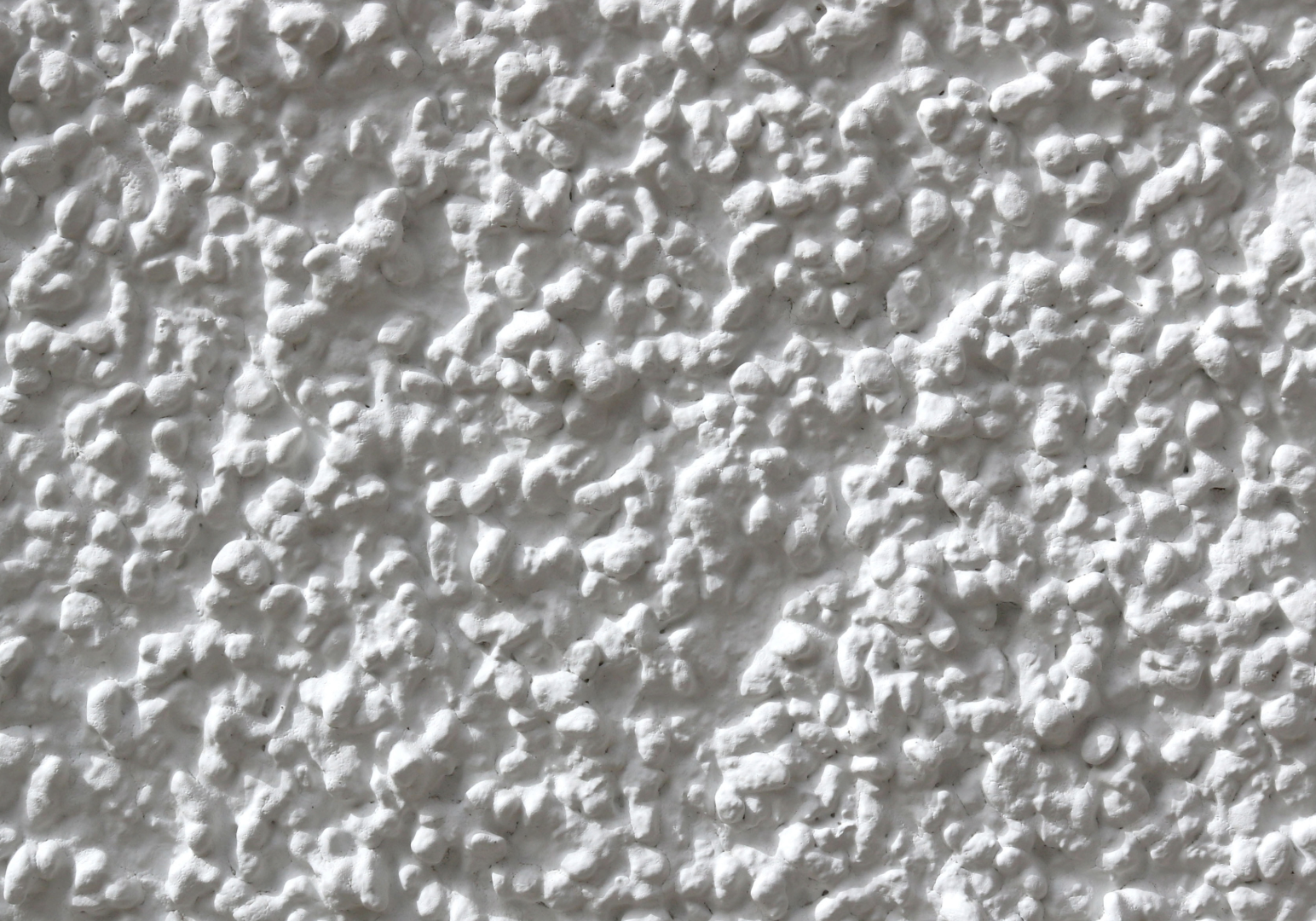
A popcorn ceiling is a sprayed or applied texture with a raised, stippled appearance. It may also be called an acoustic ceiling, cottage-cheese ceiling, or textured ceiling. The finish was widely used because it could soften sound and conceal minor variations in the ceiling surface without the labor required for a perfectly smooth drywall finish.
The texture itself is not automatically a problem. Many popcorn ceilings remain stable for decades. The challenges appear when the surface collects dust, develops stains, begins to crumble, or needs a patch that is difficult to blend. Some homeowners also prefer the cleaner appearance and light reflection of a smooth ceiling.
When Does Painting Over a Popcorn Ceiling Make Sense?
Painting can be a sensible option when the texture is firmly attached, clean, dry, and free of active damage. It allows the ceiling to look brighter and more consistent without the mess, repair work, and added project time associated with removal.
This approach works best when the homeowner does not mind the texture and mainly wants to cover discoloration, refresh an older white, or coordinate the ceiling with newly painted walls. A flat ceiling paint is commonly chosen because it reduces glare and helps soften the irregular surface. Benjamin Moore notes that dead-flat ceiling paint can minimize lap marks and hide imperfections.
Painting is not a repair for a failing ceiling. If the texture is flaking, sagging, separating, or stained by an unresolved leak, coating it may hide the symptom temporarily without correcting the cause. Moisture sources must be repaired and the ceiling allowed to dry before cosmetic work begins.
What Are The Limitations Of Painting Popcorn Texture?
Popcorn texture can be fragile. Aggressive brushing, repeated rolling, or excessive pressure may loosen the peaks and pull material from the ceiling. Previously unpainted texture can also react differently to moisture than a surface that has already been sealed.
Once the ceiling is painted, future removal may become more difficult because the coating can prevent water from penetrating and softening the texture. Painting can also make patch differences more noticeable if repaired areas do not match the original pattern.
The final appearance remains textured. Fresh paint may improve brightness and uniformity, but it will not create the crisp shadow lines of a smooth ceiling. Homeowners who already dislike the texture may view painting as a temporary compromise rather than a lasting solution.
When Is Popcorn Ceiling Removal the Better Choice?
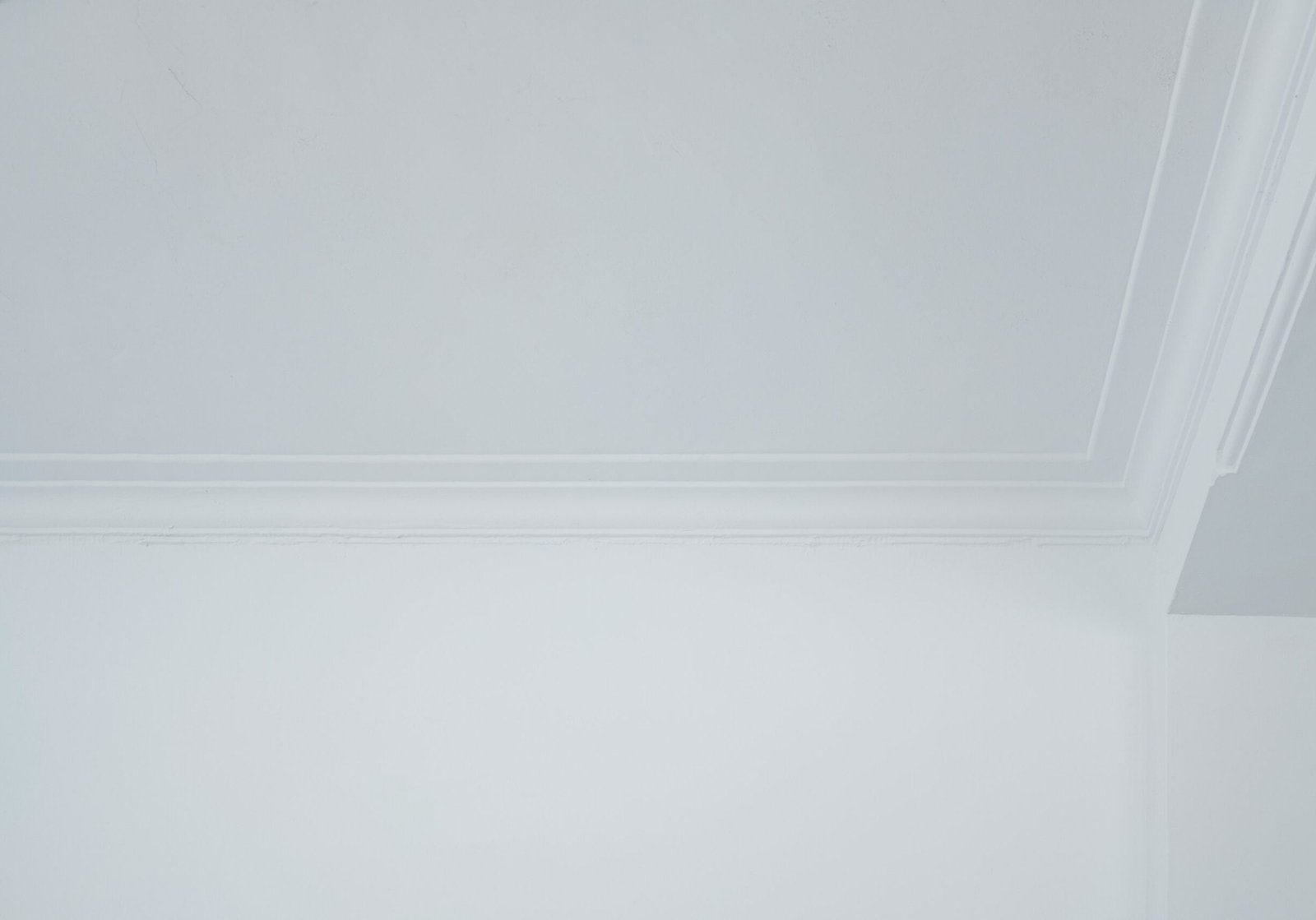
Removal is often preferred when a homeowner wants a smooth, contemporary ceiling or plans a broader renovation. A smooth surface is easier to clean, easier to repaint, and generally easier to patch consistently after future electrical, lighting, or drywall work.
Removal may also be appropriate when the texture is damaged, uneven, heavily stained, or failing in multiple areas. If only a small section is affected, localized repair might be possible, but matching an existing popcorn pattern can be difficult. Widespread damage may make full removal or resurfacing more predictable.
Home Depot, Lowe's, and This Old House describe wet-scraping methods for appropriate unpainted textures. The typical process involves protecting the room, lightly wetting manageable sections, scraping carefully, repairing and smoothing the drywall, priming, and painting. Actual methods depend on the texture, prior coatings, ceiling condition, and test results.
What To Know About Asbestos Before Disturbing the Ceiling?
Some older textured ceiling materials and textured paints contained asbestos. You cannot confirm asbestos by appearance. The U.S. Environmental Protection Agency states that the only way to know whether a suspect material contains asbestos is to have it tested by a qualified laboratory, and it recommends that samples be collected by a trained and accredited asbestos professional.
Testing becomes especially important when a renovation will scrape, sand, drill, cut, or otherwise disturb the texture. If asbestos is present, removal or repair should be handled according to applicable federal, state, and local requirements by qualified professionals. Do not assume that wetting the material or wearing a basic dust mask makes removal safe.
The EPA also notes that suspect asbestos-containing material in good condition is often best left undisturbed. That does not automatically mean painting is appropriate. The condition of the material and the proposed preparation method still need professional evaluation.
Could Lead-Based Paint Also Affect the Project?
Lead is a separate concern from asbestos. Homes built before 1978 may contain lead-based paint on ceilings, walls, trim, or other surfaces. Removing texture, sanding repairs, or preparing a previously painted ceiling can create hazardous dust if lead-based coatings are present.
The EPA's Renovation, Repair and Painting Program requires lead-safe practices for covered work performed for compensation in pre-1978 housing and child-occupied facilities. The agency recommends that homeowners planning renovation in an older home hire a lead-safe certified contractor when applicable.
Because asbestos and lead involve different materials, testing, rules, and professionals, one test does not answer both questions. The project scope, age of the home, prior coatings, and local requirements determine what evaluation is needed.
What Does Painting a Popcorn Ceiling Involve?
The ceiling should first be inspected for loose texture, stains, cracks, and moisture. Furniture and floors must be protected, and dust or cobwebs should be removed gently so the texture is not damaged. Repairs should be completed with the understanding that an exact texture match may not be possible.
The coating and application method should be selected for the ceiling's condition. Benjamin Moore advises matching the roller nap to the amount of texture and notes that more heavily textured surfaces generally require a thicker nap. Some ceilings may be better suited to spraying, while others can be rolled carefully. The product manufacturer and project professional should guide that choice.
A flat finish is commonly used to reduce reflected light and minimize the appearance of uneven texture. Stains may require an appropriate stain-blocking primer after the source has been corrected. The ceiling must be allowed to dry and cure according to the product instructions.
What Does Popcorn Ceiling Removal Involve?
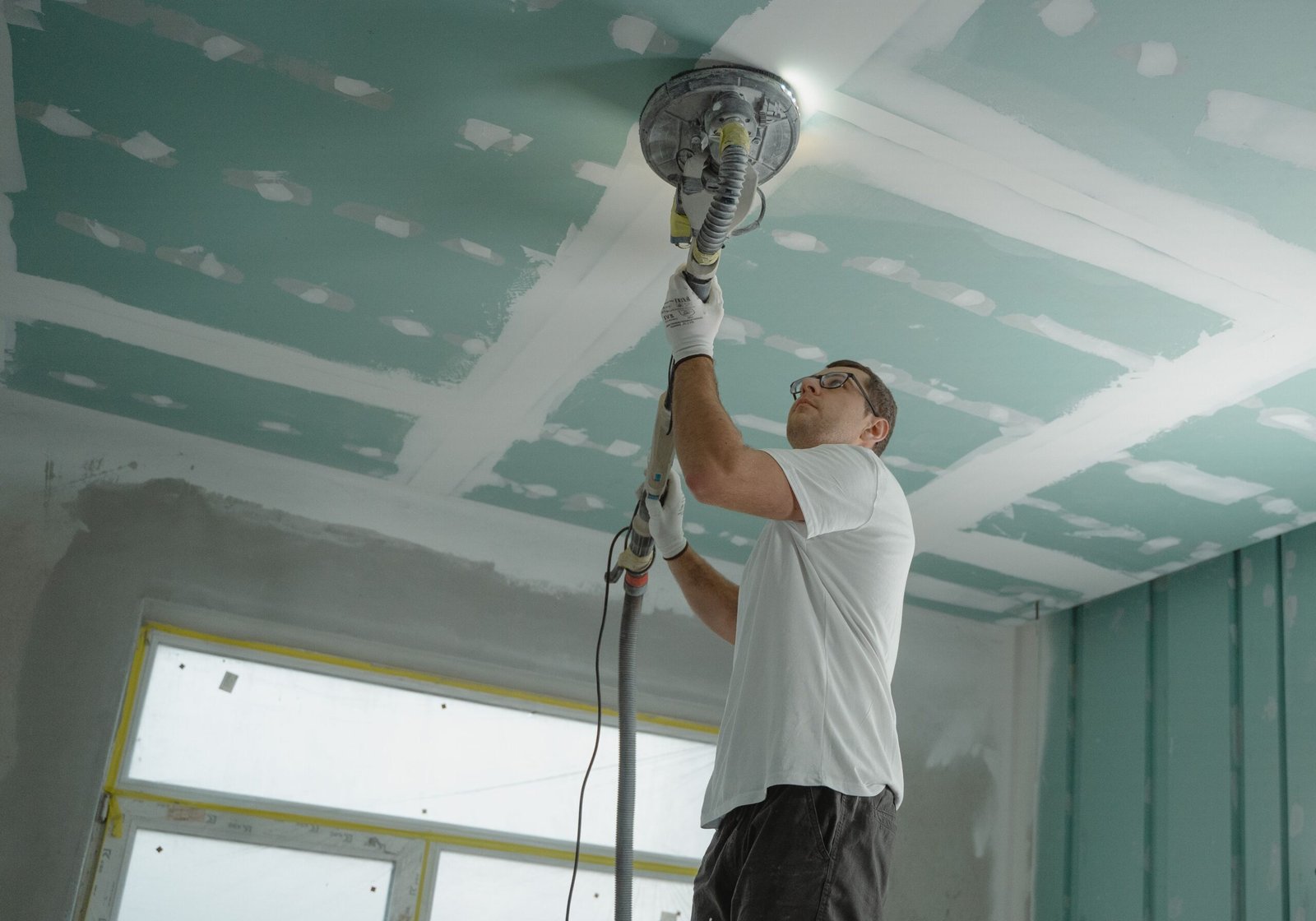
Removal is a room-protection and drywall-finishing project, not simply a scraping task. Light fixtures, floors, walls, vents, and furnishings need protection. After required testing and preparation, removable texture may be softened and scraped in small sections using the method appropriate for that ceiling.
The exposed drywall often needs more work than homeowners expect. Joint lines, fasteners, gouges, torn paper, and uneven areas that were hidden by texture may require patching or skim coating. The ceiling is then sanded or otherwise finished, cleaned, primed, and painted.
Painted texture may not absorb water readily, which can make conventional wet scraping slower or impractical. In some cases, resurfacing or covering the texture may be considered. A professional inspection can identify which approach is realistic before the room is dismantled.
How Do Cost, Time, And Disruption Compare?
Painting usually requires less labor because the texture remains in place. The project may still require extensive protection, careful application, repairs, and stain blocking, but it avoids full scraping and refinishing when the ceiling is sound.
Removal generally costs more because it combines demolition-like preparation with drywall finishing and painting. Room size, ceiling height, whether the texture has been painted, the condition of the drywall, testing or abatement requirements, access, repairs, and the desired final finish all affect the scope.
Homeowners should compare more than the immediate price. Painting may be cost effective if the texture is acceptable and stable. Removal may provide better long-term value if the homeowner wants a smooth ceiling, expects future repairs, or is already completing a larger interior renovation.
A Simple Decision Guide
Consider painting when the texture is secure, dry, untested disturbance is not required, and you are comfortable keeping the textured look. Consider removal when you want a smooth finish, the texture is damaged or difficult to maintain, or the ceiling needs repairs that will be hard to blend.
Pause before either option if the texture is crumbling, the ceiling has active moisture damage, the home may contain asbestos or lead hazards, or the project would disturb an unknown older material. Those conditions require evaluation before cosmetic work begins.
Paint EZ provides popcorn ceiling removal, ceiling preparation, drywall repair, and interior painting through participating local service areas. Your written proposal should identify the approved scope, exclusions, preparation, repairs, testing responsibilities, primer, paint, and expected finish before work starts.
Frequently Asked Questions
Can you paint directly over a popcorn ceiling?
Yes, if the texture is firmly attached, clean, dry, and suitable for coating. Loose or damaged texture, moisture problems, stains, and possible hazardous materials should be evaluated first.
Is it better to remove or paint a popcorn ceiling?
Painting is usually less disruptive when the ceiling is sound and the texture is acceptable. Removal is better when you want a smooth finish, the texture is failing, or future repairs and maintenance are priorities.
Do all popcorn ceilings contain asbestos?
No. Some older textured materials contained asbestos, but appearance alone cannot confirm it. A qualified laboratory test is the only way to know whether a suspect material contains asbestos.
Can popcorn ceiling removal create lead dust?
It can if the ceiling or underlying coatings contain lead-based paint. Pre-1978 homes may require lead-safe evaluation and work practices when painted surfaces are disturbed.
What paint finish is best for a popcorn ceiling?
Flat ceiling paint is commonly used because it reduces glare and helps disguise the irregular surface. The exact primer, paint, and application method should match the ceiling's condition and prior coatings.
Why is a painted popcorn ceiling harder to remove?
Paint can seal the texture and reduce its ability to absorb water, making traditional wet-scraping methods less effective. The ceiling may require a different removal or resurfacing approach.
