Cabinet Refinishing Techniques for a Flawless Finish
When it comes to cabinet refinishing, understanding the right techniques can make all the difference in achieving a flawless finish. Start by preparing your cabinets thoroughly, which includes removing old paint or stain, sanding surfaces, and cleaning them properly to eliminate any grease or dirt. This preparation stage is essential as it ensures that the new finish adheres properly and lasts longer, preventing any flaking or peeling that could occur down the line.
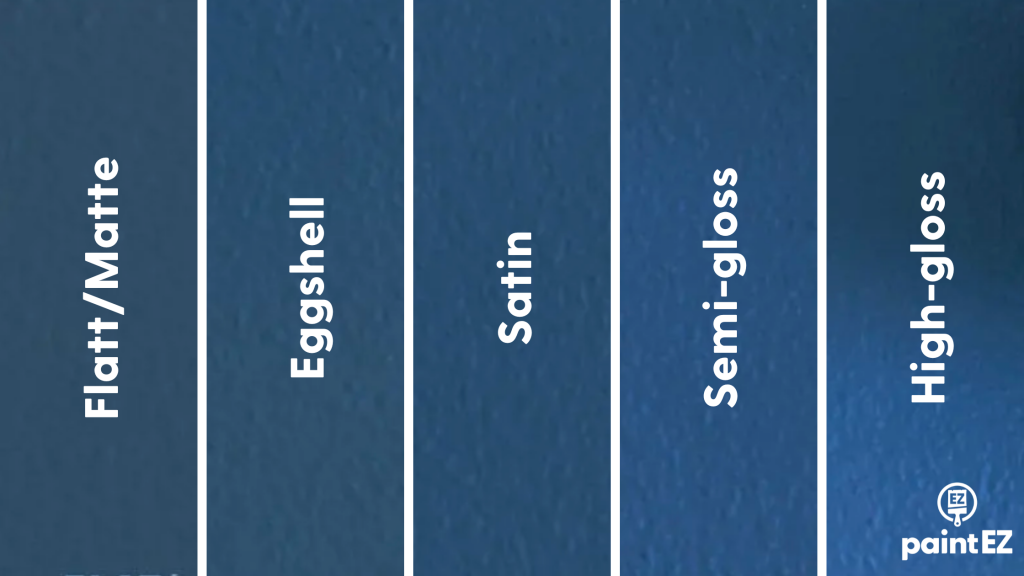
Next, applying a primer can significantly enhance your refinishing project. A high-quality primer will create a smooth base, helping the topcoat to shine and providing added durability. After priming, choosing the right paint or finish is key—consider options that are specifically designed for kitchen cabinets to withstand daily use and moisture exposure, ensuring your cabinets not only look beautiful but also stay protected over time.
Choosing the Right Color for Kitchen Cabinets
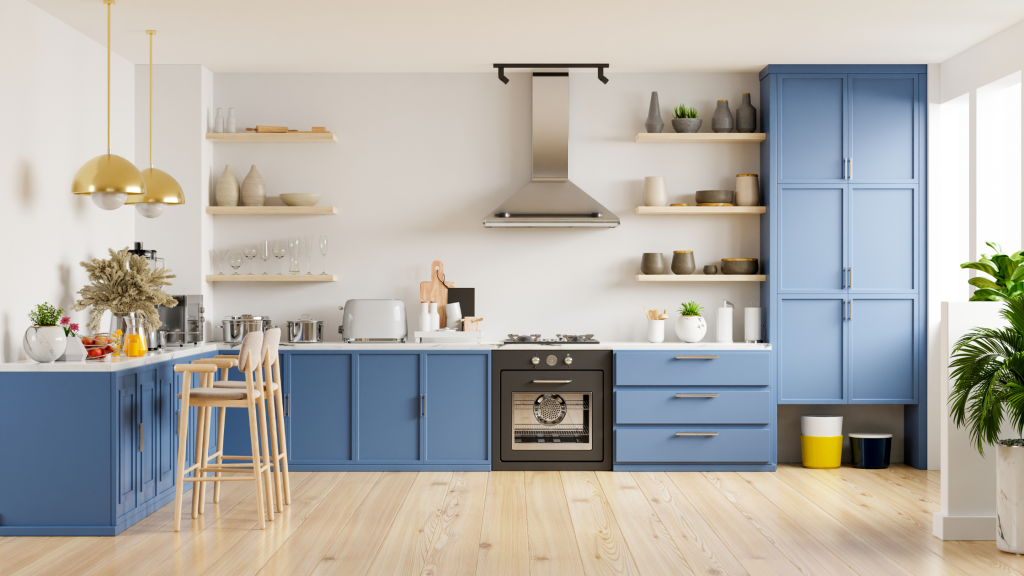
Selecting the right color for your kitchen cabinets is a critical step in home design that requires careful consideration. With an array of options available, it is essential to consider the overall theme of your kitchen and how the color will complement your countertops, flooring, and appliances. Lighter shades can make a small kitchen feel larger and more open, while darker hues can create an intimate and sophisticated atmosphere.
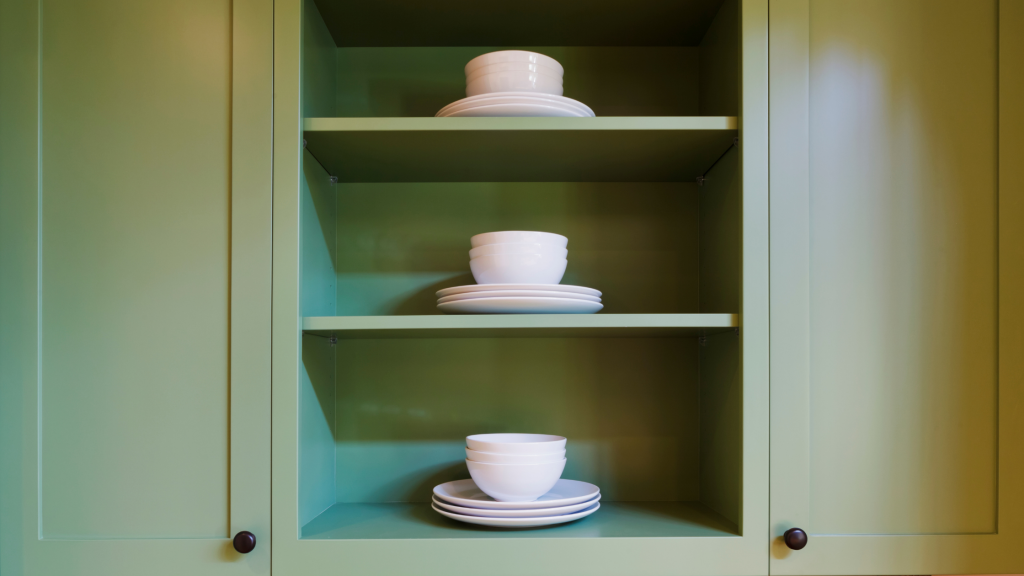
Another important factor to consider is the effect different colors can have on mood and ambiance. For instance, warm shades like creams and soft yellows evoke a sense of warmth and comfort, perfect for a family kitchen, whereas bold choices like navy blue or forest green can add a modern twist and elegance. Be sure to test samples in your space, as lighting can vastly change how a color appears at different times of the day.
Preparing Your Kitchen for Cabinet Painting
Preparation is crucial when embarking on a cabinet painting project; without a solid foundation, even the best paint job can fall short. Start by emptying the cabinets and organizing all items to avoid unnecessary chaos during the process. Cover surfaces such as countertops and floors with drop cloths to protect them from drips and dust, ensuring a clean work environment.
Next, consider removing all cabinet doors and hardware to genuinely streamline the painting process. Label each door and its respective hardware to simplify reinstallation. Ensuring that your workspace is organized and methodically set up can make it much easier to transition from one step of painting to the next, resulting in a professional-looking finish.
Essential Tools for Painting Kitchen Cabinets
Equipping yourself with the right tools can make all the difference when painting kitchen cabinets. Begin with quality paint brushes and rollers that are suited for the type of paint you plan to use; synthetic brushes are great for water-based paints, while natural bristles work best with oil-based finishes. Additionally, don't forget to invest in a good sanding block to ensure a smooth surface and a clean, even topcoat.
It’s also advisable to have a paint sprayer on hand if you're looking for a factory-like finish with fewer brush strokes. While sprayers can take a bit of practice to master, they offer speed and a smooth finish that's hard to beat. Finally, gather essential drop cloths, painter's tape for clean edges, and cleaning supplies to maintain your space during the process, all of which contribute to achieving professional results without unnecessary hassle.
Cabinet Refinishing Techniques for a Flawless Finish
When it comes to cabinet refinishing, understanding the right techniques can make all the difference in achieving a flawless finish. Start by preparing your cabinets thoroughly, which includes removing old paint or stain, sanding surfaces, and cleaning them properly to eliminate any grease or dirt. This preparation stage is essential as it ensures that the new finish adheres properly and lasts longer, preventing any flaking or peeling that could occur down the line.
Next, applying a primer can significantly enhance your refinishing project. A high-quality primer will create a smooth base, helping the topcoat to shine and providing added durability. After priming, choosing the right paint or finish is key—consider options that are specifically designed for kitchen cabinets to withstand daily use and moisture exposure, ensuring your cabinets not only look beautiful but also stay protected over time.
Choosing the Right Color for Kitchen Cabinets
Selecting the right color for your kitchen cabinets is a critical step in home design that requires careful consideration. With an array of options available, it is essential to consider the overall theme of your kitchen and how the color will complement your countertops, flooring, and appliances. Lighter shades can make a small kitchen feel larger and more open, while darker hues can create an intimate and sophisticated atmosphere.
Another important factor to consider is the effect different colors can have on mood and ambiance. For instance, warm shades like creams and soft yellows evoke a sense of warmth and comfort, perfect for a family kitchen, whereas bold choices like navy blue or forest green can add a modern twist and elegance. Be sure to test samples in your space, as lighting can vastly change how a color appears at different times of the day.
Preparing Your Kitchen for Cabinet Painting
Preparation is crucial when embarking on a cabinet painting project; without a solid foundation, even the best paint job can fall short. Start by emptying the cabinets and organizing all items to avoid unnecessary chaos during the process. Cover surfaces such as countertops and floors with drop cloths to protect them from drips and dust, ensuring a clean work environment.
Next, consider removing all cabinet doors and hardware to genuinely streamline the painting process. Label each door and its respective hardware to simplify reinstallation. Ensuring that your workspace is organized and methodically set up can make it much easier to transition from one step of painting to the next, resulting in a professional-looking finish.
Essential Tools for Painting Kitchen Cabinets
Equipping yourself with the right tools can make all the difference when painting kitchen cabinets. Begin with quality paint brushes and rollers that are suited for the type of paint you plan to use; synthetic brushes are great for water-based paints, while natural bristles work best with oil-based finishes. Additionally, don't forget to invest in a good sanding block to ensure a smooth surface and a clean, even topcoat.
It’s also advisable to have a paint sprayer on hand if you're looking for a factory-like finish with fewer brush strokes. While sprayers can take a bit of practice to master, they offer speed and a smooth finish that's hard to beat. Finally, gather essential drop cloths, painter's tape for clean edges, and cleaning supplies to maintain your space during the process, all of which contribute to achieving professional results without unnecessary hassle.